Category

Guest Posts


Category

Poem by: Ahmed Shayo


I have a circle.

A small circle.

And as i grow, it diminishes more & more,,

Devoured by the wounds that tattoo eerie sketches of a forgotten past.

The circle ages like the sons of Adam,

And like mortal men

It writhes and shivers and curls up in a knot

As the heart grows colder.

.

.

I have a  circle,

A sort of small circle.

Its diameter smiles in the warm breeze of joy,

Parting the seals of its lips,

And laughs at the threats of the sun setting down,

Knowing well that the moon will invade its sleep

And steal its light,

And wear it like a ski-mask in the shadowy blizzard of night.

And once in a while,

It swells a little larger.

.

.

I have a circle.

Not a big one,

But big enough to let love inside.

And I let it grow from the little seedlings that hide in the cover of soil & rock,

Into a tree that bears fruits and shelters dwellers of the earth below

And emperors of the sky above.

And in an instant,

I outgrow my small circle

And I find my self at the edge of the circumference,

On a precipice that threatens to exile me from the touch of mortal bliss.

.

.

I have a circle.

And its purpose is to keep me inside it,

To lock me out from the thorns of despair,

Hopelessness,

Sorrow,

And the pale faces of pain that haunt the lives of men even after death.

I have a small circle,

But the things i want suffocate the things i have

And more than once

My desires wrung the thorned rope round my neck,

Squeezing air out my lungs,

Tightening the circle into the device of my demise,

And once after a long while,

I have no circle.

& all that is left is the familiar sensation

Of being alone


 LEO TANENA KWELI

Mwandishi: Fafi

Picha: http://www.thedigestonline.com/


Leo tanena kweli, yaliyo mwangu moyoni

Siezi kustahimili, niyafiche kwanini?

Enyi wazazi wawili, nisikilizeni kwa makini

Kuna ubaya gani, kuwaangalia walio oana?


Mumetupeka shuleni, chuo kikuu hususani

Twashukuru kwa yakini, ila tupo matatani

Mumetutia mitihanini, hisia zetu kutozibaini

Kuna ubaya gani, kuwaangalia walio oana?


Hakika huku chuoni, ni wake kwa waume ndani

Twajizuia chanzo dini, si rahisi mnavyodhani

Tutafunga tusizini, ila tutafunga mpaka lini?

Kuna ubaya gani, kuwaangalia walio oana?


Mnaogopa ya duniani, walasio ya akherani

Miaka yetu ya ishirini, damu iko motoni

Leo niko masomoni, kesho nina mwana tumboni

Kuna ubaya gani, kuwaangalia walio oana?


Muhimu kuwaozesha, wale waloridhiana

Ikiwa huba lawakimbisha, msikae kuwakana

Msidhani hawana hisia, si magogo wala spana

Kuna ubaya gani, kuwaangalia walio oana?


Ni vyema kuwaangalia, japo uwezo hawana

Wawezapo watajisaidia, muhimu kuvumiliana

Tueleweni nawalilia, tumridhishe wetu Rabbana

Kuna ubaya gani, kuwaangalia walio oana?


Tamati nimefikia, hoja yangu nimewaachia

Ni mengi ya kusikitikia, hayasemeki nawaambia

Lau mutazingatia, dhambi mtatupunguzia

Kuna ubaya gani, kuwaangalia walio oana?

Mwandishi: Mtoto wa Katama


“Kesha pagawa! Wallahi ameshakuwa chizi, lakini ole wake akili zikimarudia atatulipa biashara zetu sote” nyuma sauti ziliskika zikilaani kwa hasira. Lakini Khamisi hakuwa na shida nao, ni umbea wao tu uliowachongea, yaani hivi ukiona mtu akija mbio na panga na nyinyi eti mnaamua kukimbia….eti ehh?  Swali hilo. Yaani mnakurupuka tu ovyoo! Na kujijeruhi na kusababisha hasara biashara zenu…kwani hamjawahi kuona wamasaai wakizunguka na sime zao viunoni? Na wala hamjawahi kukimbia, bivi leo mnamuonea ajabu Khamisi. Khamisi naye yeye alikuwa anakimbizwa na ajenda zake, mbio zote hizo alikuwa akielekea kwa ami zake.


“Mamake Zeituni hivi umemuona Khamisi!” mamake Khamisi aliuliza kwa mshangao, baada kuona mlango wa chumbani mwake uko wazi na sio jambo la kawaida. “Huyo fedhuli wako bangi zimemparamia! naskia anafukuza watu na mapanga huko nje” akajibu kwa jeuri, “uliskia watu wanazaa na wewe ukazaa! Utakoma this time!” Akazidi kuleta kejeli na kumsazaa mwenziwe “subiri kuitiwa mzoga, maana waja hawatambakisha”.


Maneno hayo yalizidi kumkang’anya na kumtia wasiwasi mamake Khamisi hata mwili ukamuisha nguvu na kushindwa kujibu, ila alisimama na kutafakari maneno yale, “hivi kweli anamuongelelea Khamisi ama naye keshapigwa puza”. Maana alimjua mwanawe Khamisi kijana mpole sana hivi leo alfu ulela za kuzunguka na mapanga wapi na wapi na Khamisi. Moja jumlisha moja haikuleta mbili kwake kabisa, aliingia chumbani na kuangalia taswira mle ndani, kile kimya kilichokuwa mle ndani kilikinzana na fikra zake, maana akili yake ilikuwa fikra za ghasi tu. Mboni zake ‘zikaangukia’ kwenye albamu lile, kurasa iliyokuwa wazi ni ya marehemu mumewe. Akasogea na kulichukua albamu lile, akatazama kwa uzuri na makini ile picha utadhani anajaribu kuleta kumbukumbu za kumfahamu aliyekuwa katika picha ile. Wajihi ulikuwa umebadilika teyari! Kiwingu cha majonzi kikampa kivuli, akajifikicha macho na kanga yake aliyokuwa amejitanda mabegani. Akavuta pumzi polepole ya kutuliza kichwa na akafunga albamu lile chap! chap! na kufungua kabati na kutoa kanga nyengine ya kujitanda kichwani, kanda mbili mguuni, akavuta mlango na kutia komeo. Fyuuuup! Na kutoka haraka, kutokomea.


Umati ulianza kufurika kwa haraka! Kila mtu aling’ang’ania kupata sehemu nzuri ya kusimama ili kujionea matokeo ya bure. Kweli limbukeni hana siri! kama ibada zingekuwa zinajazwa kwa mtindo huu! wala Mola asingetuletea maafa yeyote na riziki zingekuwa kwa wingi. Wenyewe wanasema uswahilini hakuna dogo, madogo hufanyika uzunguni. Kila anayefika pale alitaka kujua kilichokuwa kinajiri, ila majibu sasa yalitegemea na pahali ulipokuwa umesimamia. Habari zilizotoka kwa ‘wapambe’ waliokuwa mbele ya tukio hazikushahabiana na zile zilizokuwa zikipeperushwa kwa wale waliokuwa nyuma. Kila zilipowafikia waliokuwa nyuma zilikuwa tata zaidi kila mmoja ‘aliongeza chumvi’ kwa kiasi alichokipenda yeye. “Eti naskia kuna jini limeingia mle ndani” mmoja aliropokwa, mwengine akamkata juu kwa juu “sio jini babu ehh! ni joka kubwa limo humo ndani”. Sasa hio ndio ilikuwa hali halisi ya uswahilini, wanahabari wengi walishafutwa kazi kwa kuchukua habari za wanakijiji bila kuzihakikisha mchipuko wake. Mara kidogo kamsa zilisikika “usiniuwe mi toka nikutoke wa mzee wako, mbona watafuta laana mtoto wewe!”. “Kwani nitaanza kuzipata mimi, we bora nikupeleke jongomeo”. Umati ukazidi kupigwa na butwaa! Maana zile habari za awali za majini na nyoka hazikuonekana kuwa na ukweli wowote kutokana na magombano waliyoyaskia.

Fujo ziliendelea mle ndani, kweli mapambano yalikuwa yamechacha  vyombo vilisikika vikianguka. Watu nao nje hamu na hamumu ziliwazidi kila mayoye yalipozidi. Waliamua wasingeweza kukosa uhondo wote huo, maana milango na madirisha yalikuwa yamefungwa yote na hawakupata kuona lolote. Jagina moja likatokea ili ‘kutafuta suluhu’ na kusukuma watu nyuma, akaanza kuonesha madoido kwa kukaza misuli yake ya mikononi. Watu walimshangilia na kumtia mori, akajawa na ushujaa akaja mbio kwa fujo, na kupita na mlango wa nje kwa bega lake. Naye kweli alikuwa na nguvuze, ule mlango kuuvunja kwa kishindo kimoja ni jambo la kupewa kongole kwa kazi nzuri aliyoifanya.  Naye ‘ushujaa’ ule ulikuja na gharama alianguka kwa kishindo ukumbini na kujipiga na meza. Maskini ya Mungu! Alilia kama kitoto kidogo, bega lilikuwa khalas! tayari lilikuwa limevunjika. Watu wakaanza kumiminika kuingia mle ndani, hata hawakudiriki kumpa usaidizi wa kwanza ‘shujaa’ wao aliyewavunjia mlango. Walimuacha akigaragara chini na kumruka bila hata ya kumjali na lolote. Punde si punde kila mtu alionekana akikimbilia kutoka nje. Mlango ukageuka ‘mdogo’ watu waliparamiana na kusukumana ili wapate nafasi ya kuregea walipotokea. Vilio viliskika tu sana kwa wingi,na wale waliokuwa nje walishindwa kwa nini wenzi wao wanaregea tena kwa kishindo. “Anakuja tayari kashamaliza huko ndani”………………….


Photo Courtesy: http://www.telegraph.co.uk/

By: ‘Mtoto wa Katama’

I remember when I was young, I was a penchant for the history of the world. Tales of ‘great men’, colonizers, freedom fighters, wars, politicians so on and so forth. If it wasn’t for the skewed education system in my country, probably right now I would be ‘languishing’ in the department of history in a university somewhere in the world. My love for history and how society came to be was greatly influenced by my father. A confusing character I must say, I would be convinced if someone confronted me and told me that my father lived a double life. He was an introvert by nature, and you could probably tell he had a ‘blast’ during his teen years, the endless stories of how he was the ‘coolest teen’ among his entourage. Yes, he had an entourage and one of my uncles who happened to be Mr. Kenya was part of his crew, and you can imagine the crew back in the 60’s.

Back to the endless stories, my father would narrate to me about the world war 1 and the sequel of it, and how Africans fought in the two wars which had nothing to do with them, imagine being ‘kidnapped’ a thousand miles away from your family, in the middle of nowhere standing with a rifle being ordered by someone who considers you his ‘subject’ to fight for your ‘freedom’. My father would just make you look stupid by asking you questions randomly in between the narrating like who Otto von Bismarck was, and while your just wondering trying to figure who the hell the guy was, he would pump you with ‘intel’ about the guy he just mentioned and heartily would sympathize with himself for paying school for a person who didn’t know who Otto van Bismarck was, but deep in my heart I knew he was doing all of that on purpose and probably found joy in making people look stupid by claiming that he is all knowing.

I remember this one time I was watching television with him, and all of a sudden a reggae music concert is aired on the television. My father with a lot of confidence he said that he knew the reggae artists, and they came from Taita Taveta, a local town just kilometers away from the city of Mombasa and that the television guys were not being honest for claiming that the guys came all the way from Jamaica. And there after he gave us a proper ‘lecture’ about fraud in the music industry during the yester years and how he gave a local promoter a beating of his life for failing to bring a Congolese artist after luring him to buy tickets for the whole of his crew for the concert and brought a quack artist, I can definitely picture what the guy went through, believe me when I say it was horrible. Later I came to found out through my brother who was an adherent fan of ‘Rastafarians’ who later was given the option to be a Muslim or Rastafarian after my father found that Rastafarianism was indeed a religion practiced by native Ethiopians that indeed the reggae artists truly came all the way from Jamaica but my father would not concede defeat and kept on to his word and even went further to claim that he even knew each artist and their whole clan. And that was my first disappointment with my first history teacher.

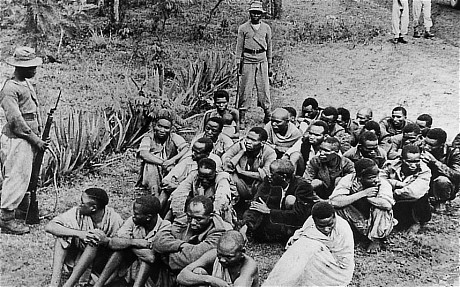
Through the years I came to learn that never learn about history through the society including my father but rather through the lenses of the society. This was evident in the history that I learnt in school about my country, its founding fathers, its heritage, its people and if I were to keep that and probably claim to be ‘educated’ I would have end up to be the greatest fool of all time but I hear they don’t give awards for that title. One thing I came to learn is that every society ‘sanitizes’ its own history according to its own political ambition and even betraying its own, I am not saying that we should not learn history from our own communities but rather we should hold its contents with a question mark and not subject it to total credence. Because overtime we have come to learn true ‘history’ after being fools for many years. Like back in junior school, we were taught to believe in that the Mau Mau literary fought the colonial masters and defeated them and such we became a free country, leading to our independence. With all the due respect to Mau Mau for their courage and valor, they were part of the struggle of the dream to liberate themselves and they paid it with blood, sweat and tears. A price so heavy that when we never taught in schools how they paid it in order to be politically correct and preserve diplomatic ties with your former ‘master’. I came to learn of the British transgressions after the former Mau Mau remaining members chose to sue the British government for damages and demanding recognition of the transgression, they were not able to mount a criminal case per say since the claimed transgressors who were acting under the orders of the Kingdom which is still in existence were not alive. I was overwhelmed with sadness for days, after reading through the atrocities committed especially against the women. But one thing that should not obscure our minds is what really happened, during the 60’s and the activities that lead to our independence.

During the early 60’s many African countries were gaining independence and it was by design, like in Kenya that transition was well organized and ‘peaceful’, it was a wave of independence glaring over Africa especially for the so called ‘African nationalists ‘who some neither never participated in any warfare but rather had the privilege to be learned others even in some foreign countries and assumed the realm of power. If Mau Mau so called ‘guerrilla warfare’ was solely responsible for the gaining of independence, why didn’t some of their ‘field Marshalls’ assume positions of power not even a single Mau Mau freedom fighters that I know of came even near to an influential post in the post-colonial  government. It was because Mau Mau was not a nationalist movement but rather an ethnic block which mainly constituted of ethnic Kikuyus and they had harbored no nationalist’s ideologies, their only agitation was to get their ‘fertile’ lands and protest their economic deprivation. Let alone the British, the Mau Mau never came near to defeat the home guards who were mostly Kikuyus and some even considered to be more ruthless than the white colonizers. Their uprising was short-lived and what followed was inhumane crackdown on Mau Mau followers which led to the arrests and detention of many ethnic Kikuyus which some other central and lower eastern tribes. With the continued state of emergency and ruthless crackdown some high profile Mau Mau leaders came out of hiding with the lure that they will be granted amnesty only to be arrested and executed after flawed court hearings.

By the time Kenya was gaining independence through ‘political goodwill’ from the colonial master, some remnants of Mau Mau were still hiding in the bushes not fighting but rather escaping arbitrary arrest and execution. And only after the assurance by the ‘founding’ father that they will be granted amnesty and a promise of having their land back which was the initial reason for uprising, they came out of hiding, and had ‘stints’ with the founding father and after a while their joy was short-lived, even the founding father held them with suspicion and did not want them in any process of engineering the country through self-rule. The questions to ask are if the Mau Mau uprising solely led to the independence of our country? And if yes, why did they come out ‘weaker’ from the bushes unlike other popular uprisings?  Like the Spanish and Napoleonic wars, with the likes of Simon Bolivar. If the Mau Mau were the political factor that lead to lead to self-rule, why did they become political weaker after independence.

The only reason why the Mau Mau were recognized was to hide the shame of the ethnic community which has already produce three presidents and hundreds of influential political leaders, they ‘sanitized’ their own history of betraying the Mau Mau and accorded them statues like Dedan Kimathi and a national holiday called ‘Mashujaa Day’. And forcing millions of Kenya through our education curriculum to learn that our independence was literary fought with armed resistance until we ‘defeated’ the British colony blinding the descendants of Mau Mau that their fathers and grandfathers blood was not spill in vain while they still languish in poverty. The British were so ‘defeated’ by the Mau Mau and thus leading them to ‘humbly’ invite our nationalists leader, the likes of Jomo Kenyatta, Oginga Odinga to the Lancaster house to discuss how they will approach self-govern. It would have made more sense if the representatives in the Lancaster house were the Mau Mau leaders. Long live the Mau Mau for standing and fighting for your land as and being heroes for your own communities. Your struggle shall never be forgotten and never be ‘sanitized’ to fit the political will of those who betrayed you.

Mwandishi: Mtoto Wa Katama

Mara Khamisi alitulia kwa ghafla baada ya kufungua kurasa nyengine ya albamu lile, akasita kwa muda, macho yakawa mazito na machozi kuanza kumlengalenga. Akawa baridi na ukiwa ukamtawala kwa ghafla, akajiona mnyonge ajaabu na kufunga albamu na baadaye kulifungua tena. Picha iliyofuatia ilikuwa ni ya marehemu babake. Ni miaka kumi imepita tangu kumpoteza babake katika ajali ya barabarani iliyonaswa na vyombo vya habari karibia vyote. Taarifa za kifo cha babake zilimpa mshtuko zaidi nina yake aliyekuwa mtegemezi zaidi, hakujua angeanzia. Baba Khamisi ndiye alikuwa anatarazaki pekee yake. Tena Baba Khamisi shughli zake zilikuwa nadhif kabisa, alisifika kwa kufanya adala baina ya watu na zaidi kwenye shughuli zake za kila siku. Lakini kinaya kilikuwa ni madhila na unyanyasaji mamake Khamisi aliyopitia kutokana na nduguze mumewe. Haya yote Khamisi aliyaelewa kabisaa na alikuwa ameweka nadhiri kitambo ya kupanga kisasi.

Njia mbili za machozi zilibubujika kama mtoto mdogo, kile ambacho hakuelewa zaidi ni watu alowaita ami zake kuwageuka bila hata huruma na kuwaonyesha unyama wa aina ya mwisho, akajiuliza hivi kweli damu ina uzito wowote? Anaikumbuka vizuri ile siku aliposhuka eda mamake kulikuwa na timbwili la aina yake. Ami zake walikuja na kupiga wanawake kisaramgambo waliokuja kumfariji mamake Khamisi,  walijaza nyumba ya kina Khamisi na umati ili kushuhudia tafarani waliyoileta ya kugombea hati miliki za ardhi za marehemu babake. Mama kwa unyonge akaona yote ya nini haya alijionea aepukane na balaa zote na kuwaachia waondoke na stakabadhi hizo muhimu karatasi. Zegere lote hilo likitokea ndio mwanzo kuanza kubaleghe na angejiletea ‘laana’ tu! Bure kwa kuingililia mgogoro ule wa watu wazima, lake likawa ni jicho. Albamu lile lilizidi  kumkumbusha mavi ya kale, kweli hayaachi kunuka! Fikra mpya zikamjia “mimi nishakuwa rijali sasa, na nina haki ya kurithi alichoacha marehemu babangu” alijinong’oneza.

Ari ya kulipiza kisasi ikazidi kumtawala, machozi nayo yakazidi kumdondoka, roho nayo ikafungama na kujisokota na machungu ya miaka yote ile. Mwili nao ukawa unatetema na kusisimka, utasema kapigiwa ngoma za kula nyama mfu za wachawi kilingeni. Akaanza kuguna na kunguruma kama simba, sasa mwili ulizidi kutetemeka utasema zezeta yaani kiufupi mwili mzima ulikuwa chini ya ‘milki’ mpya, mara ghafla akaanza kupiga nduru “ Uwiiii Leo nauwa babu, natamani harufu ya damu sana” akapayuka payuka huku mate yakimdondoka. Yallahu yalamu, mizimu ya kwao ilikuwa ishaenuka, nani atakayemrudisha chini? Wenyewe husema yakwao yakienuka hata kwa lifti hayashuki. Aliinama na kuchochomeza mkono katika mojawapo ya tendegu la kitanda, baada ya kupapasa alichomoa sime Enhe! Kwa kweli kilikuwa kimeumana aisee! Pyuu! Aliponyoka tu utadhani panya aliyejinasua katika mtego baada ya mrefu wa kukata tamaa na maisha , hata mlango aliuacha wazi ng’waa wote alisahau mle ndani kulikuwa na ‘uhai’ wao wote, japo vitu vilivyokuwa ndani havikuwa na thamani sana lakini ndivyo vilivyowatunza na urathi waliobaki nao pekee. Haswa haswa dhahabu za mamake mara nyingi alishayeyusha vipande kwa sonara ili kukidhi mahitaji ya nyumbani. Mara nyingi aliepuka mialiko ya harusi za uswahilini kwa kukosa herini na bangili, aliogopa kuwa ‘topiki’ ya mtaani, sababu ya kuyeyusha vito vyake ni, wakati mwengine huja kipindi ikawa hana chochote kabsaa sasa na inambidi akate pua ili aunge wajihi. Wajihi ambao ni akina Khamisi na ndunguze, wajihi ambao Khamisi alikuwa anaenda kuuharibu licha ya matatizo aliyopitia mamake mzazi.

“ Uwiiii! Jamani huyo chungeni ana silaha. Atamwaga damu” kamsa zilisikika kutoka kila sehemu, kila mtu alikimbia njia yake kuokoa roho yake,barabara ikaleta taswira ya Rwanda watutsi wakiwakimbia wahutu, wazungu wenyewe wangesema ‘running for your dear life’. Wale waliokuwa barabarani wakiuza bidhaa zao waliziacha na kutokomea wasijulikane wanakokimbilia ililkuwa ni tafarani moja kwa mbili, wengine walijikung’waa na kuanguka, mmoja alijipata akiogelea katika sufuria la uji wa ngano moto, Lo! Alishaharibia watu kiburudisho chao cha muda wa baada ya alasiri bora hata angeangukia kwengine na kujifia. Hivi watu wote wakapati wapi sharubati ya kushukishia viazi vya karai. Ila mchezo kando yale matukio yaliyokuwa yakiendelea pale yalikuwa ni ya mguu niponye, utasema kila mtu anakimbilia hukumu yake ya siku ya kiyama baada ya parapanda kupigwa na malaika Israfil . Mara Khamisi akapita mbio katika barabara ile na kushika uchochoro mwengine, jambo hilo lilimtia wasiwasi zaidi huyo aliyemtangulia katika kichochoro hiko, kosa lake kubwa kuaachana na wenzake na kuamua kukimbia peke yake na wenziwe kuchukua njia nyengine. Sasa hapo ndio muda wa kujilaani na kujijutua kuachana na wenzio maana waswahili husema kifo cha wengi ni harusi, hivi yahkhe leo anajiona akitolewa roho pekee yake. “Kesha pagawa! Wallahi ameshakuwa chizi, lakini ole wake akili zikimarudia atatulipa biashara zetu sote” nyuma sauti ziliskika zikilaani kwa hasira. Lakini Khamisi hakuwa na shida nao, ni umbea wao tu uliowachongea, yaani hivi ukiona mtu akija mbio na panga na nyinyi eti mnaamua kukimbia….eti ehh?  Swali hilo. Yaani mnakurupuka tu ovyoo! Na kujijeruhi na kusababisha hasara biashara zenu…kwani hamjawahi kuona wamasaai wakizunguka na sime zao viunoni? Na wala hamjawahi kukimbia, hivi leo mnamuonea ajabu Khamisi. Khamisi naye yeye alikuwa anakimbizwa na ajenda zake, mbio zote hizo alikuwa akieleke akwa ami zake…………………


By: Imran Abdallah Said

Photo courtesy: http://blackgirllonghair.com/


A word of caution for non-Swahili speakers, the Swahili-English translations used in this writing are as primitive as they could get, both for comic reasons and because Swahili is awesome. Learn it so I wont have to translate next time.


Deal?


Proceed…


It’s supposed to be the wedding of the decade. The daughter of a chief marrying the son of a respected doctor. She’s an accountant and he’s a secondary school history teacher. She’s good with numbers, he’s good with dates and today’s is a date that’s been long time coming. She being a pedantic realist and he being a nostalgic dreamer means that they will complete the proverbial ying yang loop, form the perfect couple, and half the stars in the sky will go supernova and turn night into day. At the moment, however, heavy clouds crease the night sky which beams down with malcontent.


For the third time tonight it threatens to pour as the groom and his flock of minions walk into the mosque and make a beeline for the front, where the imam and the bride’s father await, the expressions on their faces radiating an unimpressed mien. Between him and his destination, a crazed sea of white and black and green and blue kanzus stretches the mosque’s capacity to its choking point. Kofia-donned heads literally turn as the man of the day passes by, dragging his wedding gear, from the over-size black robe laced with gold trimmings and the blunt ceremonial wooden sword tucked in his belt, to the massive turban on his head that precariously flirts with the physical principles of balance and gravity.


He deposits himself immediately opposite the imam and nods to his future father-in-law who is either too distracted by the groom’s excessive decorations or unhappy at his wanton disregard for punctuality, since he doesn’t nod back. The imam begins the ceremony with a short lecture about the highs and lows of marriage and quotes a few verses from the Quran.


Then he holds the groom’s right hand and asks him to repeat what seems, to the groom at least, like the recitation of a full twenty-page chapter of the Quran in a single breath. The groom’s heart does the tachycardia thing, a hamster racing a hamster wheel off its hinges. He mumbles and stutters. The imam sighs and repeats, enunciating each word carefully like a nursery school teacher. The groom does better this time, but only just.


“I…Matano bin Mashaka…accept…” a year-long pause, “…to marry…” a decade flits by, “…Zubeda.”

“Zulekha.” The imam corrects.

“Zulekha…bin…”

“Bint!” The imam corrects again.

“Bint…uh…” What was the father’s name again? He can’t for the love of everything lovable remember it and the fuming dragon that sits where future father-in-law was a minute ago doesn’t make matters easier either. A century has passed by, by the time the groom finishes his vow. The relieved imam does the Islamic rendition of the “By the powers vested in me…” bit and prays for everlasting blessings to be bestowed on the budding marriage. The father-in-law is now smiling broadly. It’s a smile that could mean anything, “I’ll kill you the next time you forget my name” or “Thank you for reducing the number of stubborn bubbleheads living in my house to fifteen. Now scram both of you, and don’t bring her back!”


Then its cheers all round as plates of halwa arrive. After that, the crowd of a thousand or so bludgeon the poor groom with affectionate embraces. His family is big. Half the city’s population is surely crammed within this tiny mosque and since his memory serves him well when recalling names of people who began revolutions or destroyed civilizations ages ago but fails him dramatically when trying the same with the people he called friends and family, the groom is meeting his extended relatives and friends for the first time all over again. Cousin Muhammad is actually cousin Mahmoud and uncle Ali is in fact uncle Alwi. In the end the groom resorts to the only nomenclature he’s always been comfortable with as he thanks Cousin 453 and his father, Uncle 78 as they smother him with musty-odor-sheathed bear hugs.


————————————————


A motorcade outside whisks the groom and his entourage away to his bride’s home. They arrive to what can only be described as a razzle dazzle peacock fashion show. It’s almost dizzying how many different colors the bride’s relatives have managed to cram into their dresses individually. But now the groom faces a tougher challenge than acclimatizing his eyes to the bewildering scene.


The tradition at this point goes so: the bride, having recited her own vow earlier that night, is ‘locked away’ in a room somewhere within the house and one of her relatives stands guard. The groom is presented with two options. He and his lackeys can either try to force their way in, or if he is of a more diplomatic persuasion the groom can bride the guard.


Today’s is the case where the groom’s only option is surely diplomacy, for the simple reason that his entourage is locked outside and that the bride’s aunt who has taken up guard duty makes the room’s door look small in comparison. She grins widely as he slips two thousand-shilling notes into her welcoming hand. The deal is officially sealed. He is allowed admission.


Inside, the bride sits at the edge of the room’s only bed, white dress pouring out all around her, her face and arms buried under layers of make-up and hinna tattoos, but if you are to believe the groom’s account, she is actually “bathed in delicate radiant light that would shame the sun on any summer’s day and an ethereal fragrance that would push roses and carnations into fits of suicidal fantasies”. He whispers a dua to her as per the norm, their first intimate moment, and wishes they could jump out the window if only to escape the photo session that awaits them outside the door.


————————————————


An hour or a day or a week later, they escape the incessant paparazzi and the motorcade whisks them away to the groom’s residence. It’s drizzling again outside. Well, no it’s actually pouring dreadfully now. Their driver, the groom’s older brother, focused on the now increasingly treacherous road, accountant and history teacher turn to each other. The groom had prepared a ton of poems for this moment, until the rose-shaming fragrance had wiped his memory clean, but twenty or so years of watching the occasional chick-flick movie have him covered…maybe. He blurts out, “I love you…sweet pump…kin”


She’s calm despite the excitement of the occasion as she stifles a laugh and replies in a cool voice, “Well, sweet potato, I love you more.”


The groom’s found his courage and confidence again but not the rehearsed poems, so he chides, “Really? How much more?”


Then the conversation picks up and they’re soon gone. They’re lost in their own world. The real world around them dissolves away and if the bus and truck ahead of them collided and burst into a million pieces in a shower of burning flames and human screams, they won’t be able to recount it to anyone tomorrow or ever. They’re so lost, they don’t even notice when the car finally pulls up to the groom’s home.


“Well I love you a gazillion multiplied by a gatrillion times more.” The groom smirks, impressed by his own ability to remember a very big number, fake or not.


She replies with the same calm voice, “And I love you Mugabellion to the power of Musevenillion times more.” In other words, infinity to the power of immortal forever. She’s good with numbers. The groom is stumped and sulks for a second after losing his first contest with his wife.


“And I would love it if this awkward conversation continued another time.” Their driver, an unwilling passive third-party to the exchange interrupts.“We’re here.” He announces unceremoniously.


Outside stands the groom’s family’s home. Two massive tents on either side, one for the men, the other for the ladies. And people. People everywhere you turn. The couple notice them for the first time and feel dizzy. Hundreds, maybe thousands have come to the wedding, to marvel at and envy the newlyweds.


The bride is chauffeured away to a temporary wooden stage under the ladies’ tent, where a thousand phosphorent lights and garlands of flowers festoon across the face of the makeshift stage. Then the ululations pick up and morph into a wedding song as the groom’s mother and aunts serenade their newest family member. There’s a phrase around this part of the world, “Bibi harusi wetu.” Our bride. She’s married a family, not just a husband.


The forgotten groom is paraded into the house by his brother who shouts to no one in particular, “Someone feed this oaf, he needs his energy up to prepare for his big performance.” The older men and teenagers hanging around laugh like maniacs.


With the groom inside and the bride on the other pole of the house, calm falls on the men’s tent. The topics of conversations that follow dart from football and politics and at some point the death of the groom’s younger brother a few months ago comes up. It’s inherently taboo to talk about funerals at weddings but for these people today, having been shocked by the nature and timing of the groom’s brother’s death, talking about it here is almost therapeutic.


The teenagers in attendance joke about marriage and other weddings they’ve attended. One of them waxes nostalgic to the click around him about a different wedding he went to where state-of-the-art amplifiers and 20-feet high speakers blasted the music of Ali Kiba and Diamond into the night sky. “What a dump of a wedding this is.” He complains. That it had stopped drizzling minutes ago doesn’t seem to improve the teenager’s mood.


The saving grace of any Swahili wedding, however, no matter how dislikeable to those invited, is of course the feast, or feasts.Tonight’s feast even has a name, Kombe la Bwanaharusi, the groom’s cup or something like that. You know Swahili people love food when they give fancy names to feasts. When the sinias (big plates) arrive and the guests behold their contents, all inhibitions and doubts and ill-will simply melt away.


Tonight, the guests are treated to a surprise. Upon inspection of the plates, they discover they’ve been served six different types of foods, from viazi vya nazi (potatoes of coconut), samaki wa kupaka(painted fish), nyama ya kukaanga (fried meat…?),mahamri (I doubt there’s an English equivalent word), kaimati (some round pastry thingy coated in sugar), mitai (another pastry thingy coated in sugar) and tambi (sugary noodles). Seven types it turns out, not six! But wait, upon further inspection, the guests realize the plates come in pairs. There are seven other different types of food in the accompanying plates, mikate ya tambi(sugary-noodle bread), katlesi (cut-less with each bite), viazi vitamu (sweet potatoes!), sambusa(samosas), mkate wa mayai (bread of the egg),mkate wa sinia (bread of the plate) and viazi karai(fried potatoes) You could call it the centenary gladiator match of the calories, a cholesterol and sugars bloodbath. The Swahili people won’t heed you, they’ll continue calling it Kombe La Bwanaharusi.


————————————————


It’s growing late, the tell-tale signs of the approaching morning begin to show. The groom is tired and sleepy and growing increasingly irritated. He chucks modesty down the drain, rushes up the makeshift stage while the songs and ululations crescendo to a climax, and before anyone can realize what’s happening scoops up the bride, who looks equal parts amused and relieved but not necessarily shocked, and takes off at a canter like a deranged kangaroo, the turban falling off his head. His mother finally jumps to her feet and gives chase shouting, ‘Bring our bride back,’ her singing partners flocking her sides and ululating without let-up.


“My bride, mine…” the groom shouts back, head growing giddy from his defiant shenanigans. He makes for one of the parked cars whose passenger door is thankfully held open by his brother, gently sets his wife down on the seat, jumps over the bonnet american-movie-cops-like, fishtails the car out of the parking spot and zooms off, executing a perfect drift around the corner that would send James Bond running for the bank. Cheers and whoops from the men’s side and ululations from women’s side and the groom’s mother’s child-like tantrum sing them off into the night.


“Wow,” the accountant laughs, “I didn’t know your family was so…”


“Clingy?” The history teacher says.


“Affectionate.” She finishes.


“They’re clingy. My family’s clingy. I should have warned you.” The dreamer reflects. There’s a long pause and then he adds, “We have might have to relocate to Russia or China or Antarctica where they can’t find us and shove chocolate cakes down your throat every morning and dress you up like Disney princesses every weekend.”


The realist wraps her arms around her husband’s free hand and rests her head on his shoulder as she thinks of the long tiring hours she spends at work every day.


“I don’t know,” she whispers with a broad smile, “I think am actually looking forward to being treated like a queen.”


For more of Imran’s articles log on to: mylitcorner.wordpress.com

Mwandishi: Mtoto wa Katama

Picha: http://www.magic4walls.com


Kwa mara nyingne Khamisi aliamka taratibu na kuingiwa na wasiwasi kidogo kwani mudaule hakuwa anamtarajia mtu yeyote. Alijaribu kufikiria atakuwa nani huyu? Moyoni alijiuliza bila kupata jibu mwafaka. Akaamua kujikokota polepole, alipofika karibu na bawaba, aliskia mtu akishusha pumzi nzito nzito. Mara kidogo akaita “Khamisi, Khamisi ehhh! Upoo”, Khamisi si muda akaifahamu sauti ile na kujibu “ Nipo babu, haya nipe la mwafaka umefuatia nini?, maana niko bize kiasi”. “ Fungua kwanza nikueleze, usikuwe hivyo” Lipopo akanena. Khamisi akazubaa kidogo na kufungua mlango, akamuangalia lipopo jinsi alivyokuwa anateremkwa na jasho, akajua hapa kuna habari za muhimu ila hakupendelea masahibu zake kumfuatia nyumbani kwao. Alipendelea kumaliza shughuli zote wakiwa kijiweni au nje ya nyumba. Lipopo alipojaribu kujitokomeza chumbani, Khamisi alimzuia na kifua na kumnyoshea kidole akiashiria wakazungumzie nje. Lipopo hakuwa na la zaidi ila kufuata maagizo na kutangulia huku Khamisi akimfuatia nyuma.


“ Hebu niambie lililokuleta na mbio zote hivyo ni lipi haswa?” Khamisi aliuliza. “Usikuwe hivyo yakhe, mbona una hasira” akajibu Lipopo kwa kunyeng’enyea.” Mi hapa nimekuja na mazuri, Bw.Salimu atuhitaji tukamuone habari ndiyo hiyo” Lipopo akamalizia akiongea huku akitabasamu. Khamisi akamuangalia Lipopo toka juu mpaka chini, kana kwamba alikuwa anampima hivi katika mizani flani hivi. Akautazama uso wa Lipopo na kisha akatikisa kichwa baada ya kufanya dadisi zake na kuenusha mikono juu na kuleta dua “Ewe Mola! Uliye juu, mpe mja wako huyu shughli ya kufanya na wepesi wa kuongea” na kucheka kwa dhihaka. “Kumbe we ovyo! Hivi muda wote uliopoteza kumbe maneno yalikuwa ni haya, kama ingekuwa umenitaarifu pale mlangoni ulipogonga kungeharibika lipi? na tuonane hiyo jioni” Khamisi akafoka bila kusubiri jibu la Lipopo na alimuacha akiongea peke yake na kugeuka mbio mbio na kuingia nyumbani kwao. “Watu wengine wapuuzi kweli, wanafaa makofi chap! chap!” alijisemea moyoni. Alipoingia chumbani, alijipiga kichwa na kidole chake mara kadhaa na kupiga macho huku na kule mpaka akaliona albamu, muda wote lilikuwa lipo kitandani na hakudiriki kuangalia kwa makini, kisha akatabasamu kwa kujiona bwege kweli. Ikawa anaendelea na kulifungua huku akicheka ovyo ovyo, picha zake za utotoni zimleletea furaha na kumbukumbu tamu sana. Kwenye picha moja aliona kitoto kidogo, puani akitokwa na kamasi na magwanda yake ya kuchanika. “Kweli huyu ni mimi lo! Haiwezekani huu mzaha sasa, labda ni mdogo wangu Idrissa, itakuwa Idrissa tu!” alijaribu kujisemeza. Lakini alipokodoa macho vizuri na kuangalia ile picha kwa umakinifu aligundua kuwa ni yeye. Pichani mtoto alikuwa na alama ya ngozi nyeusi katika mguu wake na hofu zake zote zikawa kweli. Hakupendezwa na picha ile kamwe, ye keshakuwa barobaro sasa na ndevu zilishaanza kuota, tena zilimea kwa ajabu sana. Zilikuwa zimetapakaa kwenye kidevu kwa vifungu vifungu kama matuta kwenye shamba la mkonge. Alishajaribu mbinu nyingi kuzifanya ziote vizuri, huyu huyu Lipopo aliwahi kumwambia apake asali iliyochemshwa na kuchanganywa na haba soda(habbat sawda) kwenye kidevu chote. Alifuata masharti kama alivyoambiwa na mwendani wake wa karibu. Lakini matokeo hayakuwa mazuri, hata siku ilikuwa haijaisha Khamisi alipata mwasho wa ajabu na kuishilia kujikuna kwa wiki mbili mfululizo, mkuno ulileta yale mapele magumu kidevu kizima. Kwa wiki mbili nzima alibaki ndani kwa ndani tu kama mwari aliyeletewa posa na mtoto wa Sultani. Alidiriki kutoka usiku tena mara moja moja kwa sababu ya shughuli za kimsingi. Tena alitembea kwa tahadhari nyingi sana alinyatanyata kwenye vichochoro kwa staili ya kimgambo ili asiwahi kupishana na watu wanaomjua. Lakini waswahili wanasema siku utakayokwenda uchi ndiyo siku utakayokutana na mkweo na naam!


Usiku mmoja katika mishe mishe zake za kuenda kununua chapatti mitaa ya ndani usiku, baada ya kukata vichochoro vitatu viwili ghafla bin vuu! mchumba wake Zeituni alitokea kwenye chochoro. Khamisi alipunguza hatua, na kumuangalia vizuri mtu aliyekuwa anakuja kwenye upande mwengine wa kichochoro kama kweli ndiye aliyekuwa anamdhania, baada ya kugundua kuwa alikuwa Zeituni, polepole alipiga kona na kutaka kurudi alipokuwa anatokea. Kweli ile siku anayokufa nyani miti yote huteleza, mara tu bila mpangilio paka wawili shume  waliokuwa wanakimbizana wakatokea kwenye upande wa uchochoro aliokuwa Khamisi anaregea nao. Toba ya Ilahi! Khamisi alikuwa muoga wa paka ajaabu bora hata angekutana na nyoka. Yeye na paka ni mbingu na ardhi. Aliamua kubarutika mbio upande aliokuwa anaokuja nao Zeituni na kumpiga kumbo mchumba wake huku akitokomea kwenye giza bila hata kushikwa na wasiwasi wa kuangalia nyuma. Kwa hasira Khamisi alichukua ile picha ya mtoto na kuichanachana vipande vipande na kuitafuna, hakuweza kukubali kuwa mtoto yule mchafu na kamasi zake kuwa alikuwa ni yeye na cha zaidi alichukia kwa kuwa yakhe. Hakuelewa kwanini watu wengine walijaaliwa mali na wengine kunyimwa.


Mara Khamisi alitulia kwa ghafla baada ya kufungua kurasa nyengine ya albamu lile, akasita kwa muda, macho yakawa mazito na machozi kuanza kumlengalenga. Akawa baridi na ukiwa ukamtawala kwa ghafla, akajiona mnyonge ajaabu na kufunga albamu na baadaye kulifungua tena. Picha iliyofuatia ilikuwa ni ya marehemu babake. Ni miaka kumi imepita tangu kumpoteza babake katika ajali ya barabarani iliyonaswa na vyombo vya habari karibia vyote. Taarifa za kifo cha babake zilimpa mshtuko zaidi nina yake aliyekuwa mtegemezi zaidi, hakujua angeanzia. Baba Khamisi ndiye alikuwa anatarazaki pekee yake. Tena Baba Khamisi shughli zake zilikuwa nadhif kabisa, alisifika kwa kufanya adala baina ya watu na zaidi kwenye shughuli zake za kila siku. Lakini kinaya kilikuwa ni madhila na unyanyasaji mamake Khamisi aliyopitia kutokana na nduguze mumewe. Haya yote Khamisi aliyaelewa kabisaa na alikuwa ameweka nadhiri kitambo ya kupanga kisasi…


By: Swaleh Arif

In the name of Allah, The most beneficent, The most Merciful.

One of my great uncles once remarked to an overweight woman that God didn’t like fat people. Needless to say she was reduced to tears. Then she lamented, “But how can that be? He’s the one that made me this way!”. He defended his comment by pointing out that overweight people were generally lazy in worship.1

As cruel as this statement may be, it does hold some truth in it. Imam Ghazali (may Allah have mercy on him) once quoted, “A full stomach fattens the body, hardens the heart, dulls the intellect, and renders man lazy in worship.”2

However, can someone still be obese and appear physically normal at the same time? As much as this world is physical, it is metaphysical as well. It’s unfortunate how most people have solely focused on the material and ignored the immaterial, thereby creating an imbalance that has caused a negative impact on a global scale.

To answer my question, yes it’s possible. This is achieved through what I’d like to call ‘mental obesity’. It’s similar to physical obesity in the sense that it involves the consumption of filth and junk.Once you notice the similarity, it’s easy to draw parallels between the physical and metaphysical aspects of obesity.

As much as I’d like to explore and elaborate these aspects, I’m inclined at the moment to simply explain how people unwittingly (or deliberately) subject themselves to this illness. As I mentioned above, it pertains to the consumption of filthy and unhealthy material. However, I’ll ignore the physical aspect because it’s quite obvious what it’s causes are i.e. junk food, lack of exercise and so forth.

When it comes to mental obesity, it’s a bit tricky to employ a measurement of scale, unlike physical obesity that can be measured by the use of Body Mass Index (BMI), among others. This is because the full negative impact it creates on the mind and soul is often hidden from the naked eye and it’ll take time and keen analysis to actually make an approximate estimation. Nonetheless, identifying the causes of this metaphysical disease is relatively easy.

When we consider the causes, two things come in play: what we see and what we hear. These two senses form the most immediate routes through which information reaches the brain. Never has there been a time when access to information has been made easy, other than this one. And never has there been a time when access to harmful information has been made easy, other than this one. Majority of the world’s population has been exposed to harmful information in the form of films and music that leave little to the imagination, books and magazines that are explicit, video games that perpetrate violence, world leaders that perpetuate hatred and bigotry, the list is endless.

The effect of the aforementioned causes is this: it puts us to sleep, it robs us the ability to think, to focus on the most important things that will make our lives better if we pay attention to them. Mental obesity is a tool designed with the intention of controlling the masses. As I’m writing this, an attack has occurred in the Ataturk International Airport in Istanbul just a few days ago where many lives have been lost and many more have been injured.

Yet most, if not all, of us will simply post a facebook status talking about how our thoughts and prayers are with them, and then nada. Our job is done. Congratulations! We’ve succeeded in making this world a better place yay!

But we actually can make this world a better place. We can turn it into the eutopia that we and our forefathers envisioned it to be, not the dystopian wasteland that it’s going to be. We can only do this, however, if we decide to flex our brains and do those mental push ups while consuming healthy metaphysical food.

So stop watching porn, stop watching pointless Tv shows and films that will not move your soul in the right direction. Stop doggedly obsessing over the lives of celebrities who don’t even know you, who set unrealistic standards in your lives to intentionally make you feel miserable.

Instead, read the Quran or any good book that’ll nourish your mind and spirit, consume good information that’ll open up your mind and see the possibilities of a better future, listen to good music, watch empowering lectures.

You’ll change your life for the better and you’ll be able to change the world for the better.

Stop being a zombie.

Start being human.

Notes

1. This paragraph was not meant for people suffering from obesity due to circumstances beyond their control. I pray to Allah he brings them relief in this life and the next.

2. Ihya ulum-u-din, book 1; the book of knowledge.

Picha: http://www.magic4walls.com

Mwandishi: Mtoto wa Katama

Purukushani za kutafuta picha za mwisho katika ‘albamu’ kuu kuu iliyochakaa. Khamisi hangependa kuacha ushahidi wowote nyuma kwa insani yeyote yule. Juu katika kabati la mamake alilipiga macho albamu lile, lilokuwa limejaa picha lukuki zake pamoja na za ahli zake. Bila kusita alipanda kwenye kiti kidogo na kudakia kwenye upande mmoja wa kabati huku akining’inia kama ngedere. Mle juu ya kabati kulikuwa na vumbi si haba, tandu za buibui zilitapakaa kote. Alikitia mkono kwenye magorogoro yale na kulivuta albamu lile. Chafya zilimparamia kwa ghafla! Himidi nazo zikaja nyingi tu! Kwa sababu ya vumbi lile. Kombamwiko na panya nao walikuwa kila mtu roho mkononi walitawanyika kila hayawani akikimbilia maskani mapya, laity wangalijua kuwa ‘operesheni’ nzima ilikuwa ni juu ya ‘albamu’ wala wasingejitia tumbo joto. Khamisi alijiachilia chini na kukita kwa kishindo pu! Aliguna ki bebeeru beehh! kutokana na maumivu kwenye visigino.


Baada ya kutulia kidogo na maumivu kupungua, alivuta pumzi nzito na kufungua kurasa ya kwanza ya albamu lile. Kumbukumbu zilifurika akilini, moyoni alijiambia “kumbe mamangu naye alikuwa mrembo wakati wake”, “hivisasa tumempata amechoka maskini ya mungu” alijisuta. Akafikiria zile taabu mamake anapitia na mchana ule, kuzungusha bamia na dagaa gengeni siku kutwa na muda mwengine kuambulia patupu. Khamisi alishawahi kumshawishi mamake mara nyingi tu! Kuachana na biashara ile. Waswahili washam’maliza kwa kumkopa, naye Mola kampa roho ya huruma kukataa kukopesha haezi na kudai hela yake ni mzito ajabu. Kipindi kimoja Khamisi alimkaripia mamake zeituni, ‘ibilisi’ alikuwa amemjaa pomoni haskii la mwadhini, aliamua leo ni leo.”Hivi mama wewe mbona kisirani sana, hela ya mamangu utalipa lini” alifoka. Mamake Khamisi alposkia purukushani zile ukumbini, alitoka chumbani kwa kasi na kufululiza hadi alipokuwa amesimama Khamisi. “Achana naye Khamisi nakuomba mwanangu, mlaani shetani, kama biashara ni yangu” alimsihi Khamisi. Kidogo Khamisi mori ukashuka na kumwachilia mamake zeituni baada ya kubembelezwa. Lakini naye akaapa kutoingilia tena masuala ya biashara za mamake na wala mamake asimuhusishe na lolote. Yote hayo akiyafikiria akajiona kweli kakosa, zile tabu zote mamake alizopitia ilikuwa ni kwa ajili yake na ndunguze. Na alijutia siku ile kumkana mbele ya mamake zeituni, lakini yashamwagika hakuna la zaidi ila kujirudia na kuisuta nafsi yake.


Zile picha za mamake zilimnogea kwa kipindi kidogo mara “Ngo! ngo! Ngo!” zilisikika kelele za mlango ukigongwa na kumshtua kutoka kwenye lindi la mawazo. Khamisi,kwa sekunde kadhaa alibaki kimya akijaribu kusikiliza tena ikiwa ni kweli mlango ulikuwa ukigongwa au alikuwa akiweweseka.kwa dakika kadhaa alikuwa bado amesimama akiendelea kusikiliza lakini hakusikia chochote,taratibu alishusha pumzi na kuendelea kuangalia albamu lakini kabla hajaendelea kufungua kurasa nyingine shuka alisikia mlango ukigongwa tena na wakati huu mlango ulikuwa ukigongwa kwa nguvu na sekunde chache kukawa kimya tena.Kwa mara nyingne Khamisi aliamka taratibu na kuingiwa na wasiwasi kidogo kwani mudaule hakuwa anamtarajia mtu yeyote. Alijaribu kufikiria atakuwa nani huyu? Moyoni alijiuliza bila kupata jibu mwafaka. Akaamua kujikokota polepole, alipofika karibu na bawaba, aliskia mtu akishusha pumzi nzito nzito.


Mara kidogo akaita “Khamisi, Khamisi ehhh! Upoo”, Khamisi si muda akaifahamu sauti ile na kujibu “ Nipo babu, haya nipe la mwafaka umefuatia nini?, maana niko bize kiasi”. “ Fungua kwanza nikueleze, usikuwe hivyo” Lipopo akanena. Khamisi akazubaa kidogo na kufungua mlango, akamuangalia lipopo jinsi alivyokuwa anateremkwa na jasho, akajua hapa kuna habari za muhimu ila hakupendelea masahibu zake kumfuatia nyumbani kwao. Alipendelea kumaliza shughuli zote wakiwa kijiweni au nje ya nyumba. Lipopo alipojaribu kujitokomeza chumbani, Khamisi alimzuia na kifua na kumnyoshea kidole akiashiria wakazungumzie nje. Lipopo hakuwa na la zaidi ila kufuata maagizo na kutangulia huku Khamisi akimfuatia nyuma. “ Hebu niambie lililokuleta na mbio zote hivyo ni lipi haswa?” Khamisi aliuliza…

Picha: http://missionislam.com/

Mwandishi: Fafi

Uislamu ni dini ya imani, yenye msingi wa Quran na Sunnah ambayo ni maneno na vitendo vya mtume (S.A.W). Nguzo za uislamu ni mfumo wa maisha ya muislamu. Nazo ni shahada, swala, utoaji wa zakah(kuwasaidia wenye dhiki), kufunga katika mwezi mtukufu wa Ramadhan na kuhiji Makkah japo mara moja kwa mwenye uwezo. Ni dini yenye wafuasi wengi na sana sana hutambulika kwa jinsi waislamu wanavyofuata dini yao.

Wanazuoni wa sharia ya kiislamu walisema kwamba kuna mambo sita ya sita ambayo mwanadamu anafaa kuyalinda vyovyote iwezekanavyo. Kwanza ni maisha. Unapochukua maisha umeokoa maisha, ndipo dini ikaamrisha kuuliwa kwa atakaye muuwa mwenzake yani qisas. Mathalan anapopanga mtu kuuwa kisha akahofia adhabu ile, hivyo basi dini imeokoa maisha ya watu wawili na kadhalika. Siri ya pili ni mali. Mali ni jambo la kuthaminiwa sana ndio maana ni sharia kwa anaedaiwa kulipa deni hilo na unapoiba mali ya mtu anafaa kukatwa mkono. Ya tatu nayo ni hadhi yani “izzag”. Mwanadamu anatakiwa alinde hadhi yake na pia heshima yake. Ndio sababu ya kuwekwa sharia ya kumpiga mwenye kuzini au kumpiga kwa mawe hadi kufa kwa wale waliokuwa kwenye ndoa.

Siri ya nne nayo ni akili. Muislamu anafaa kukaa na akili zake timamu kama alivyoumbwa na mwenyezi Mungu mtukufu. Ndipo kukaharamishwa pombe na mihadarati yote. Muislamu hafai kuwa na uraibu wa kitu chochote ila isipokuwa ni halali na hakina madhara kwake. Mtume Muhammad rehema na Amani zimshukie yeye amesema, “mwenye kufa ilhali yupo katika hali ya uraibu basi amekufa kifo cha mshirikina”.

Siri ya tano ni kizazi. Ni jukumu letu kulinda kizazi na kujenga undugu. Mathalan, kiislamu mke wa mtu hafai kumfungulia mwanamme yeyote kuingia kwake ikiwa mume wake hayuko. Mtume wetu asema “shemeji ni kifo” kwa sababu anatangamana na mkeo na mwisho anaweza kukusaliti. Siri ya mwisho ni dini. Mwenyezi Mungu mtukufu anasema kwenye kitabu chake tukufu katika sura ya nane aya ya thelathini na tisa,

“na wapigeni vita mpaka kuwe hakuna fitna na iwe dini ya Allah peke yake. Lakini wakiacha hakika mwenyezi Mungu anayaona wanayoyatenda”. Kwa hiyo ni lazima tulinde dini yetu.

Tukiangazia hali ya uislamu duniani tunapata kuna madiliko chungu mzima ambayo yamejitokeza. Uislamu tuliokuwa nayo leo sio kama vile zamani ambapo kila mahali palikuwa shwari na dini yenyewe ilikuwa inanawiri. Kila siku zinavyopita na maendeleo kukithiri ndivyo waislamu haswa vijana wanavyokumbana na changamoto. Kama tunavyojua, hiki kipindi cha ujana, kuanzia miaka kumi na sita hadi thelathini na tano ndipo homoni za mwanadamu zinakuwa moto. Hapa ndipo utakuta kijana anakutwa na kila aina ya majanga. Alisema mtume wa mwenyezi Mungu (S.A.W) miongoni mwa makundi saba ya watu ambao watakuwa chini ya kivuli cha mwenyezi siku ya kiyama ni kijana ambaye moyo wake umeambatana na msikiti. Kijana ambaye anashinda msikitini akimtukuza Allah na kutenda ibada akitafuta ridhaa zake. Tunapoangazia haya yote ndipo tunapotanabahi ya kwamba kijana ana nafasi kubwa sana katika mujtama’a wa uislamu na maisha kwa ujumla. Hivyo basi ni muhimu tuangazie kwa kina zile changamoto zinazowakumba vijana na zile sukuhu amabazo tutapendekeza.

Naam, changamoto zeneyewe zinatofautiana kulingana na sehemu anapoishi yule kijana. Wale wanaoishi katika nchi zinazotawaliwa kwa mfumo wa kiislamu changamoto zao zina nafuu tukilinganisha na wale wanaishi katika nchi zinazotawaliwa kwa mifumo mingine kama vile demokrasia na mingineyo.

Changamoto ya kwanza kabisa ambayo ambayo ningependa kuizungumzia ni swala la Elimu. Elimu naweza kusema ni kama msumeno, hukata mbele na nyuma. Mathalan, ina kochokocho na manufaa yake mingi pia. Mfumo wa elimu yetu ulivyo unaweza kupoteza watoto kuanzia umri mdogo wanapojiunga na shule za chekea. Kwa mfano kuna nadharia ambayo vijana wetu wanafundishwa katika somo la historia ambayo ni potofu sana. Nadharia kama ile inayowafunza wanafunzi kwamba wanadamu wanatoka na kizazi cha kima ni moja wapo ambayo inapotosha watoto. Elimu kama hii inaanza kumchanganya mwanafunzi na kuanza kushuku vitu vingi vya dini ambavyo sio sawa. Wako wazazi ambao wanapeleka watoto wao katika shule za dini zingine kama vile wakatoliki wanaambiwa kwamba Nabii Issa ni mwana wa Mungu. Ukienda kama marekani utapata watoto wanaambiwa kwamba kila mtu ana uhuru wa kufanya kila jambo analotaka. Wanafunzwa kwamba maumbile yako tofauti, utapata watu wa jinsia moja wanafanya mapenzi. Haya yote yanatokana na athari ya masomo ambayo wanayapata katika shule hizi. Dini iko na msimamo mkali kuhusu jambo hili. Lakini watoto wanakua na mambo haya kwa akili halafu inafikia muda inakuwa ngumu kumbadilisha mtu. Mwenyezi Mungu anasema kwenye kitabu kitukufu kwenye sura ya saba aya ya themanini na moja,

“nyinyi manaowaendea wanaume kwa kuwa mnawatamani badala ya wanawake! Ama nyinyi ni watu wafujaji”.

Katika wakati wa maswahaba, walikuwa wakichoma na kuwaacha pasi na kuwaswalia hata janazah wanaofanya tendo hili ovu. Je kama tumewafunza watoto wetu na kuwapa elimu ya dini wangejihusisha na tabia kama hizi?

Ama kwa upande wa pili, elimu pia ni nguzo katika mambo mengi, tumeamrishwa tutafute elimu. Elimu husaidia katika mambo chungumzima kujikimu kimaisha. Suluhisho kwa jambo hili ni kwa wazazi wahakikishe watoto wao wanapata elimu iliyo sahihi. Na hali zisizoepukika inawalazimu wawe wakihimiza wanana wao kujua dini itakayowasaidia leo na kesho akhera.

Ama changamoto ya pili ni mihadarati na madawa ya kulevya. Jambo hili sana sana husababiswa na shinikizo vijana wanapokuwa hawana kitu cha kufanya na hupata wakati mwingi wa kutangamana na wenziwao walio waislamu na hata wasio waislamu. Vijana na waislamu kwa jumla tuko wa aina mbili. Kuna wale wenye Imani thabiti na wale wenye Imani dhaifu. Wale vijana wenye Imani ya nguvu wanaweza kukataa wanaposhawishiwa kufanya jambo lisilo kuwa la sawa. Ama kwa wale wenye Imani dhaifu wao hujikuta wamefuata wenzao kwenye maasi. Suala la madawa ya kulevya ni suala la kusikitisha sana na linaathiri ulimwengu mzima. La kusikitisha Zaidi ni kwamba hapa kenya, pwani ndio inayoongoza. Tunapoteza vijana wetu wenye akili nzuri. Vijana ambao wangeimarisha dini ya kiislamu pamoja na kuleta maendeleo katika nchi kuichumi, michezo na Nyanja nyinginezo. Suluhisho ya jambo hili ni kuwapa vijana wetu ajira ili wasipate muda wa kukaa mabarazani au maskani kama wanavyoziita sehemu hizo. Tunaweza kuja na miradi tofauti tofauti.

Changamoto ya tatu ni teknolojia. Jambo hili pia ni ndumakuwili kwani faida zake na hasara zinakaribia kuwa sawa. Waswahili wanasema kuwa mgala muuwe na haki yake umpe, hivyo basi ningependa kuanzia na mazuri yaliyoletwa na teknolojia. Dini ya kiisalamu na ulimwengu kwa jumla umeendelea pakubwa kutokana na manufaa yaliyoletwa na teknolojia. Tumeweza kusoma dini kwa mtandao na kufanya utafiti wa kila aina kwa mtandao. Shughuli za nchi pia zimeweza kufanywa kwa wepesi na urahisi na kusababisha maendelea makubwa katika Nyanja mbali mbali kama vile kilimo.

Teknolojia vile vile imeleta maafa mengi sana. Ujumbe wowote kwa mfumo kama vile video, sauti au hata arafa umekuwa mkubwa na rahisi. Jambo hili limefanya vijana kuona picha chafu ambazo zinawaharibu akili. Zinawapotezea muda wao kwa sababu siku hizi vijana wanakesha kwenye mtandao wakifanya upuzi mwingi. Akili zao zinakuwa zimejaa mambo yasiyokuwa na maana. Ndipo ukapata kijana mkubwa wa umri tu lakini akili ya watoto. Hawawezi kukomaa kiakili iwapo mambo wanayoshinda wakifanya ni ya kipumbavu. Imezidisha zina katika jamii, kiasi cha kuwa watu wanazini mpaka hadharani. Pia imevunja ndoa nyingi sana katika jamii ya kiislamu. Vijana wanasasisha kila jambo wanalofanya katika mitandao ya kijamii kama vile “Facebook”,”Twitter” na “Instagram”. Kumekuwa hakuna siri tena. Jambo hili linaweza kusababisha husuda pia. Na jambo lingine katika kusasisha mambo kwenye mtandao ni katika utoaji wa sadaka na zakah. Mtu anatoa zakah na sadaka ambayo ni mambo mazuri lakini anajitangaza kwenye mitandao hii. Hili linapelekea mfumo mzima wa kupeana kwake sadaka na zakah kuwa riyaa. Mtume (S.A.W) anasema “toa kwa mkono wa kulia,wa kushoto usijue.” Mambo mengine kama haya huenda yakatufanya tukose thawabu kwa jinsi tunavyojumuisha vitu. Na huenda zikabadilisha nia yetu zakufanya matendo na tukaishia kufanya mambo visivyo. Suluhisho ya jambo hili ni kuwa tunatakiwa kuwa waangalifu katika kumpokea mgeni huyu. Tujaribu vilivyo kuepukana na fitina iliyomo ndani ya jambo hili. Tutumie kwa mambo yatakayoimarisha dini yetu, kusaidia jamii na ulimwengu kwa jumla.

Changamoto ya nne ni Umoja. Sisi kama waislamu tunatakiwa kuwa wamoja. Tushikamane, tushirikiane na tusaidiane katika mambo yetu ya kila siku. Tutakapo fanya hivi tutakuwa na msimamo bora kabisa na msingi bora wa kimasisha. Tutakuwa kielelezo chema kwa watu wasiokuwa waislamu. Tukiwa pamoja tunaweza kuvutia adinasi lukuki katika dini yetu. Umoja huleta maendeleo, furaha na Amani. Tutaweza kusuluhisha tatizo hili kwa kwa kukubali na kuzifahamu tofauti zetu, na sote tujiangalie kama waislamu na wala sio kutumia makabila kujitambulisha. Hakika kizazaa chengine kipo katika malezi. Tena nasisitiza MALEZI! Asilimia kubwa anavyokuwa kijana husababishwa na malezi yanayotokana na wazazi. Kwanza mzazi anamlea mtoto kwa matusi, kivipi tunataraji mtoto huyo ataongea maneno mazuri akikuwa.

Mtoto anapigwa kama ngoma, mtoto huyo ni mbwa mara kesho ni punda. Kuna wazazi wenye vilma vichafu jamani. Ndipo pale watoto wanakulia vibaya. Pili watoto haswa wale wenye mzazi mmoja, pengine baba pekee au mama. Kuna wale wanaoacha kuwashughulikia wanawao kifedha pindi tu akimuona yule mtoto kakuwa lakini hajapata njia yoyote ya kujikimu kimaisha. Jambo hili ni hatari sana hususan kwa wasichana. Wewe kama mzazi unatarajia mtoto kama yule atoe pesa za kujikimu wapi? Wapo wasichana wengi wanaoathirika na mambo kama haya ndani ya vyuo vikuu. Tukiongea ukweli hapa ni kama yule mzazi anamsukuma yule mtoto aende akaombe. Na ataombea wapi? Mahali penye pesa si kwa wavulana wadogo kama wao bali ni mijibaba yenye pesa zao! Na tukumbuke hakuna vya bure. Ndipo hapo tunaskia flani kapachikwa mimba, mara flani kapata ukimwi. Alafu flani ndio atalaumiwa bila kuzingatia mzizi uliomeesha miba hiyo, ambayo ni wazazi. Sasa ombi langu kwa wazazi kama vile mulivyoanza kuwaangalia watoto wenu walipokuwa wadogo, maadamu mtoto huyo hajapata namna halali ya kupata riziki, ni wajibu kwenu kuwaangalia hata kama ni hicho chako kidogo, mpe! Ataridhia na kutosheka kuliko kumnyima kisha kuletewa majanga nyumbani, waama usipoziba ufa utajenga ukuta. La tatu utapata wazazi ambao hawana uhusiano mwema au wa karibu na watoto wao. Hii inasababisha watoto wajihisi wametengwa, wanakosa ule upendo unaotakikana hivyo basi wanaenda kupenda watu wasio sahihi. Kwa ujumla wazazi wajitahidi waepuke mambo kama haya.

Ama changamoto nyingine ambayo inatukumba ni kuwepo wanazuoni wengi wenye kutofautiana hivyo basi kutuchanganya na kutuacha kwenye mataa. Mathalan ukienda mjini capetown katika nchi ya afrika kusini, wapo wanazuoni wanaoamini kitabu kitukufu cha Quran lakini hawaamini hadith za mtume. Sasa tunashangazwa, kwa sababu tukiangalia suala kama hilo,swala iliteremsha na kutajwa katika Quran lakini idadi ya rakaa tulipata kwa Mtume(S.A.W). kivipi leo tupate wanavyuoni wanaokubali Quran na kukataa Sunnah! Pia hivi majuzi nchini ufaransa walipiga marufuku mavazi ya hijabu na mitandio. Kisha pakatokea mwanachuoni mmoja kutoka sehemu za Azhar na kusema watu wafuate marufu hayo. Sasa wafaransa walianza kuwacheka waislamu kwa kutojielewa. Mtume Muhammad (S.A.W) alisema,

“Ninachohofia Zaidi katika ummah wangu ni wanazuoni dhaif”. Vile vile tofauti katika kufasiri ayah za Quran na hadith zinasababisha vijana kutojielewa. Vijana husikiza khutbah za wanazuoni wengi.

Jambo la ndoa za kulazimishwa ni jingine ambalo linawakumba vijana wa kiisalamu. Hili hutokana na wazazi kuwa na tamaa ya pesa ama mila kwa makabila mengine. Jambo hili sio zuri na ni moja katika sababu kuu zinazosababisha kuongezeka kwa talaka katika jamii. Mwenyezi anasema kwenye Quran katika sura ya wanawake aya ya 19;

“Enyi mlioamini! Si halali kwenu kurithi wanawake pasi na matakwa yao, wala msiwazuie (kuolewa kwa wanaume wengine kwa kuwa hamuwataki) ili mupate kuwanyang’anya baadhi ya zile mlizowapa. Isipokuwa wawe wamefanya uovu uliowazi…..” hadi mwisho wa ayah. Ndoa kama hizi za kulazimishwa haziruhusiwi. Suluhisho ni kwamba wazazi wanapaswa kuacha tabia kama hzi.

Nayo changamoto nyengine ambayo inawakumba vijana na waislamu wengine ni hisia za udhalili. Asilimia kubwa ya waislamu hawajiamini. Hawajiamini kidini na pia mambo mengine ya maana. Tunafaa kutambua kwamba dini yetu ndio ya haki na kila kilichoamrisha na mwenyezi Mungu kina sababu yake, unaweza kuithibitisha kisayansi au pia kimantiki. Uislamu ndio unajali maslahi ya kila mtu. Sisi kama waislamu tunatakiwa tujiamini kidini kwanza kisha mambo yote yatafunguka. Tuondoe shaka kabisa katika akili zetu.

Tatizo jingine kubwa linalotupata ni mazingira ya kazi. Vijana tunakumbwa na fitina nyingi katika kazi zetu. Unyanyasaji wa kijinsia kwa wavulana na wasichana. Sio kazi za uhandisi,sio maofisini,sehemu karibia zote hapakosekai tatizo hili. Ukweli ni kuwa tunaweza kupunguza mambo kama haya kwanza kwa kuhakisha wasichana wamevaa kiheshima na kuwepo mazingira ya kazi ya kuheshimika. Unajua wanaume wana maradhi mengi sana yasiyoeleweka. Itakuwa vyema basi kuhimizana kumcha mola na pia kuheshimiana.

Powered by WordPress