Author

Lubnah Abdulhalim


Browsing

One topic that deeply resonates with me is Qadar (fate). It’s truly fascinating to reflect on how Allah orchestrates our lives, reminding us of our own limitations and the unpredictability of our journeys. In moments when I find it difficult to comprehend Allah’s plans for me, especially when circumstances don’t align with my expectations, I often think back to a deep story I witnessed. It’s the story of a young believing woman, and her experiences are ones that many of us can relate to.

Imagine a 33-year-old woman living abroad with her parents in a big city. Her family cherished her deeply, but like many singles her age, she felt the weight of loneliness and societal pressure. At 33, it is often considered “old,” and the idea of an “expiration date” for finding a partner seemed more pronounced back then than it does now. Despite receiving many proposals since she was 18, none of them worked out for various reasons. Nevertheless, she remained steadfast in her trust in Allah’s divine plan.

When she turned 33 years old, she earnestly prayed for a spouse. Subhanallah, one night at 2 a.m., she poured her heart out to Allah about her desire for a partner. After her prayers, just after Fajr, her sister called to inform her that there were three proposals, subhanallah. A week before her engagement, she received another proposal. Fast forward, she got married at the age of 33 and moved to a rural area in a different country. It was a completely new life, filled with a different environment and culture far from home, but she embraced it with faith and excitement for her new journey.

Things took a sour turn soon after the wedding when her husband revealed that “his heart just couldn’t accept her,” despite her being a perfect wife and diligently fulfilling all her duties. Imagine the shock, heartbreak, confusion, and loneliness she felt—Subhanallah. Despite her deep efforts, prayers, and ruqya to improve her relationship with him, all was in vain as he ignored her and paid no attention to her at all.

Allah Subhanahu Wa Taala destined that she would become pregnant. In normal circumstances, this would have been an extremely joyous moment for the newlyweds. However, with an indifferent husband, there was little joy to be found. During those first two months, life was hell for the young woman. She had no idea how quickly and dramatically her circumstances had changed. However, this was not the end of her struggles. Allah tested her once more with an experience that every woman dreads: she had a miscarriage. As she mourned the loss of her unborn child and reflected on her troubled marriage, she returned to her family home. It was at that moment that her husband chose to end their marriage.

The lady was devastated. What would people say about a girl who got divorced after only two months of marriage? What would they think of her? They might assume that something must be very wrong with her. Who would want to marry someone like that again? She fell into despair. However, her family provided her with strong support, offering a shoulder to lean on and encouraging her to accept it as the qadar of Allah, reminding her that He knows best. Very slowly she healed. But the idea of marriage was totally deleted from her mind. For her, she felt like that was the end of her marriage chapter and that no one would accept her as a wife again.

Three years later, the lady visited her family. While there, she saw her sibling’s children and felt a deep yearning for motherhood and the warmth of having a family. That night, she returned to her prayer mat and cried out to Allah, asking for a new spouse—one who would be better than her ex-husband in every way. She only prayed that one night, not expecting anything to come of it. However, shortly after, there was a burial for a close uncle, and during the gathering, some ladies who were friends of her cousin, came to offer their condolences. They interacted briefly with her, and when they returned home, they spoke to a single man from their community about the lady they had met that day. Subhanallah, just one week later, a proposal came from the man, and she got married a month after that.

And Good Lord, the difference between her first and second husband was like heaven and earth. Subhanallah. She got the love, the respect, the friendship, the care that she prayed for for too long. She calls it a miracle and indeed it is one.

Whenever this story comes to mind I am in awe at how Allah meticulously plans our Affairs. And even when we don’t understand why things go the way they do, we gotta believe that He knows best. That He is merciful towards us even in the darkest of situations. For example, this young lady prayed istikhara in both cases of first and second husband. So her going through the first unhappy marriage was a test from Allah. And perhaps she needed to go through that experience, that pain, that heartbreak to be able to truly appreciate the huge blessing she is currently in. You bet that every time she thinks of her past and her present and sees the difference, she is moved by Allah’s mercy towards her. And her second marriage is both a blessing and a test. Will she be grateful for what Allah has bestowed upon her?

As human beings, we sometimes wonder why Allah doesn’t just grant us blessings from the start. Why does He test us first? No one can provide a definitive answer to this question, as
only Allah understands the divine secrets of life and the wisdom behind each stage we go through. We may think we are ready to handle the blessings Allah wants to bestow upon us,
but can we be sure? Perhaps through every loss, every moment of anguish, and every
lesson learned, we become wiser and grow into the best versions of ourselves, ultimately
preparing to receive those blessings.

As such, whatever pain you are going through right now, whether of marriage, wanting children, wanting a better job, or good health…do have yaqeen (firm belief) that you are exactly where Allah wants you to be. In Allah’s books, there is no delay, nor is there a rush. Everything has an appointed term. So does this hardship. It will not last forever. And Allah is in charge.

Additionally, we learn that there is always a reward for patience. Do you notice your poor health, loneliness, and poverty? Allah will compensate you for all of it. This may happen in a few weeks or even years, but it is a promise from Him. With every difficulty, there is ease. Even in the sad situation you find yourself in, He still cares for you in other ways. Never forget that and never despair. This is your reminder to slow down, to breathe, to have hope, and to believe without a doubt that there is calm after the storms.

Side Note: This is a reminder for our community to be considerate of one another. Let’s avoid being judgmental, shaming, or mocking those who are divorced, unmarried, or childless. In fact, we should simply avoid dwelling on what isn’t our business. We can never fully understand the challenges others have faced or are currently facing.

Beloved reader, as we conclude,  I want you to hold onto this verse. Keep it close to your heart. Memorize it if you can. Let this be your guiding light even in the darkest of nights: “So be patient with your Lord’s decree, for you are truly under Our ˹watchful˺ Eyes. And glorify the praises of your Lord when you rise.” (Qur’an 52:48) Allah Subhanahu Wa Ta’ala is our guardian, caretaker, and handler of our affairs. Who else would you rather have to manage your affairs than Him?

“Had Allah lifted the veil for his slave and shown him how He handles his affairs for him, and how Allah is keener for the benefit of the slave than his own self, his heart would have melted out of love for Allah and would have torn to pieces out of thankfulness to Allah. Therefore if the pains of this world tire you, do not grieve. For it may be that Allah yearns to hear your voice by way of du’a. So pour out your desires in prostration and forget about it and know that verily Allah does not forget.” ― Ibn Al Qayyim.

“No vision can encompass Him, but He encompasses all vision. For He is the Most Subtle, All-Aware.” (Surah Al-Anam, Verse 103)

I used to hear about Allah’s name, Al-Lateef. I always understood that it encompasses His gentleness, graciousness, kindness, and subtlety. While I recognized these attributes, I often remained unaware of experiencing them in my life. Sometimes we don’t see it; we fail to notice how Allah delicately arranges our affairs for our own good. He is the Master of the Game of Cards, with every move made for a reason—very intentional and well thought out.

The significance of the name Al-Lateef dawned on me during a particular phase in my life when I started a new job role. After years of searching and hustling for employment, this moment was monumental for me—an answered prayer for something I had yearned for quite a while. However, as soon as I began the job, challenges started piling up one after another. It was overwhelming, and I felt so alone. I struggled internally, feeling I would be ungrateful to complain, since Allah had given me what I wanted. How could I dare to complain? I decided to embrace the experience as a test from Allah. I had received what I desired; would I be able to endure the minor discomforts that came with this blessing?

My primary colleague, regrettably, chose to complicate my work life. There was always a problem with him; it was evident that I was not welcome. I began to wonder if it was because of my religion, ethnicity, or my seemingly youthful appearance. I often found myself in tears and experienced embarrassing meltdowns at work on several occasions. At times, I felt so drained—mentally, physically, and emotionally—that I would sit under my desk for a brief moment to regain my composure. All I wished for was some ease.

About two months later, a new, young, and vibrant intern joined our team, straight from University. I was tasked with being his supervisor and teaching him the required skills. The first thing I noticed was that our values and personalities aligned, which made working with him easy. Furthermore, he possessed all the skills I needed in a team. It was also refreshing that he was passionate about our work and eager to learn new things. Gradually, I relied less on my challenging colleague and worked more closely with the intern. In my mind, I kept thinking, “This kid must be a Godsend. This is from Allah’s mercy.”

Then one day, the intern reached out to thank me for mentoring him and all the many things he had learned. During our conversation, he casually mentioned, “You know, I didn’t even study Communication. I studied Diplomacy. The Public Service Commission had placed me as an intern in a public office in Nairobi. However, the letter I received told me to come to this office in Mombasa. So technically, I wasn’t supposed to be here. According to the public service portal, I am actually in Nairobi! But here we are! In fact, my friends laughed when they heard I was working in a Communication office, considering I am very quiet, shy, and reserved. They still can’t believe I’m here, getting out of my comfort zone…”

Subhanallah, the way this information blew my mind was extraordinary. Truly, Allah is subtle in how He handles our affairs, always doing so with care and gentleness. There was no mistake; the intern was precisely where he was meant to be. He learned from me something he never thought he could do, and, for me, I received the assistance I desperately needed.

This experience has been a powerful reminder of how Allah extends His mercy and kindness to us, sometimes in a subtle manner. When the intern’s contract ended this February, I felt an immense void and work became increasingly challenging. Then, on the first Friday of this Ramadhan, a bright and cheerful young lady entered our office asking for directions. I pointed her the way, and when she asked for my name, her reaction caught me off guard. “Oh! My lecturer said I remind him of you and encouraged me to seek your guidance!”

We exchanged phone numbers, and I continued my day without much thought about it. The following Friday, during a meaningful conversation, she opened up about her struggles to join the university. As we spoke, she expressed, “I really want to learn from you. I have plenty of free time and live nearby. Please don’t hesitate to reach out if you ever need help. I’m here for you.”

It wasn’t just her words, but the way she expressed them that brought tears to my eyes. The number of times she repeated, “I am here for you,” felt like a deeply intentional message, as if she had been sent specifically for me. Just when I thought I was back at square one, Allah introduced me to another extraordinary soul who shares my principles and values and is ready to support me. She even signed up as a volunteer in our department to receive training. But to me, she represents a God-sent relief. Subhanallah. Alhamdulilah.

I often reflect on these incidents. Allah showers us with His mercy amidst trials. While it may not always be obvious, there are always ways in which He supports us, making life just a bit more bearable. He grants us ease in the most challenging situations and sends kind people to help us. Subhanallah, nothing is a coincidence. Everything that happens to us is part of His intricate plan, filled with mercy. He never overlooks anything and continues to bestow upon us His favours in such a way that we do not see or feel.

Reflecting on your own life, you will likely recognize numerous instances where Allah has showered you with affection and kindness, even when everything around you seemed dark and bleak. In moments when you feel like the situation is the worst it could possibly be, always remember that He is Al-Lateef. He does more for you than you could ever comprehend.

When your heart is shattered and you want to call upon Him, remember to invoke this beautiful name: “Ya Lateef…” Ask for His care, gentleness, and affection. He is already showering you with these blessings without your asking; imagine the abundance if you actually seek it from Him.

***

اللهم يا لطيف، الطف بنا فيما جرت به المقادير، وسهّل لنا أمورنا، واغمر قلوبنا بلطفك ورحمتك، واجعل لنا من كل همّ فرجًا، ومن كل ضيق مخرجًا، وارزقنا من حيث لا نحتسب، واشملنا بعفوك وكرمك، إنك على كل شيء قدير.

Transliteration:
Allahumma ya Lateef, ultuf bina fima jarat bihi al-maqadeer, wa sahhil lana umoorana, waghmir quloobana bilutfika wa rahmatika, waj‘al lana min kulli hammin farajan, wa min kulli dayqin makhrajan, warzuqna min haythu la nahtasib, washmilna bi‘afwika wa karamika, innaka ‘ala kulli shay’in qadeer.

Translation:
“O Allah, O The Most Subtle, be gentle with us in what You have decreed, ease our affairs, fill our hearts with Your kindness and mercy, grant us relief from every worry, an escape from every hardship, provide for us from where we do not expect, and envelop us in Your pardon and generosity. Indeed, You are capable of all things.”

May Al-Lateef bless you and all those around you with His infinite gentleness, mercy, and hidden blessings.

إِنَّ اللَّهَ عَزَّ وَجَلَّ يُحِبُّ إِذَا عَمِلَ أَحَدُكُمْ عَمَلًا أَنْ يُتْقِنَهُ

“Allah loves to see his servant who does a job with itqan (meticulously).”  (Al-Mu’jam Al-Awsat lit-Tabrani)

As a perfectionist, this hadith resonates deeply with me. It’s a clear affirmation: YES! It should be this way! Efficiency, proficiency, integrity, and excellence are essential to Islamic work ethics. However, when we reflect on our sincerity, do we truly give 100% in our jobs or settle for the bare minimum?

The answer may be a resounding YES for self-employed individuals, but the real question pertains to those who are employed or contracted. When we examine the work culture in Mombasa and across our country, we often encounter a mentality of “doing the bare minimum.” This mindset also extends to individuals who sell low-quality products or provide subpar services to others.

I understand why this mindset exists. Working hours can be exhausting, and the work environment may be challenging. Sometimes, bosses can be demotivating or even harsh, which makes it difficult to feel inspired to put forth our best effort. As a result, many people perform their tasks just enough to get by, and some may not complete their responsibilities at all.

However, it’s essential to recognize that our work is, in fact, an amanah (trust).

When someone hires you or calls you for an interview, and among several other candidates, they choose to trust you with that role, it is considered an amanah (trust). This is something for which you will be held accountable. Regardless of whether you are a teacher, car dealer, nurse, or secretary, you will be questioned about how well you fulfilled your responsibilities.

Our religion is perfect and we have values, principles and ethics in every single aspect of our lives. When you overcharge a person due to their naivety, Allah knows. You lie and give fake excuses to miss out on work days, Allah sees. You accept bribes to do what you shouldn’t be doing, Allah is fully aware. You intentionally do shoddy work because you simply don’t care, Allah cares. You purposely waste time during work hours, avoiding the actual responsibility, it is all written down.

It doesn’t matter if you are the ideal Muslim who prays the obligatory prayers and the tahajjud, fasts on all the sunnah days, and goes to Umrah every year. If your good manners and work ethic do not reflect these practices, then something is still missing.

Remember, the Prophet Muhammad (peace be upon him) received the proposal from Khadija bint Khuwaylid not only because of his exemplary manners but also because of his excellence and diligence in conducting business.

Diligence is highly encouraged in Islam, as demonstrated in the hadith of the Prophet Muhammad (peace be upon him). He said, “If the Hour comes while one of you has a shoot that he is able to plant, then he should plant it.” [Ahmad, Al-Bukhari in Al-Adab Al-Mufrad]

Take a moment to reflect on the gravity of this hadith. Imagine it is the Day of Judgment; there is panic and chaos everywhere, and everyone is filled with fear about what lies ahead. It is a time of immense anxiety and confusion. Yet, the Prophet still advises that if you have the opportunity to plant a tree, you should go ahead and do it i.e. finish your task!

One question I often ask myself when I take on a new role is, “Do I truly deserve every dollar I earn from this job?” At the end of the day, can I honestly say that I have delivered or even exceeded expectations? I believe many of us lack taqwa (the fear of Allah) in our work because we tend to view this life as purely worldly, thinking that it doesn’t really matter to Allah. However, it actually does.

In the case that you believe you are doing more than what you are being paid for, take comfort in the Prophet’s assurance: “Help from Allah comes to the servant according to his diligence.” [Imam Al-Bazzar]

I know a man who started his career as a cleaner at the university. Today, he serves as a lecturer and holds an important leadership position at the same institution. There are many similar stories we have encountered over the years. For instance, another man began his journey as a cleaner at a bank and eventually became the manager. These successes come first from Allah and are followed by the effort and dedication that individuals put into their work. It is clear that if you strive sincerely, Allah will elevate your status.

Some people argue that the lack of respect and appreciation in their workplaces justifies abandoning Islamic work ethics. However, we must remember that our religion instructs us to treat others and act according to Islamic teachings, regardless of how others behave. We should not wait for humans to reward, appreciate, or acknowledge us before we strive to do our best. Indeed, everything we do should be done with Ihsan, for the sake of Allah, and ultimately to seek His pleasure.

Just as there was a time when people preferred to do business with Muslims, trusting that they would act honestly and not deceive others, let us also cultivate a culture of diligence and excellent work ethics.Let us be an example to society. Let people yearn to do work as we do, and be rather confident in working with us because ultimately, they know that Muslims deliver.

It is true that work is exhausting and draining especially in these tough economic times, but before you decide to lower your effort and do the bare minimum, remember that Allah has favoured you immensely by giving you a halal source of rizq that many wish for. I recently came across a tweet that hit me hard, it said, “Alhamdulilah for the exhaustion of work.” See all that sweat, all that fatigue? Many would die for a chance to experience it. So alhamdulilah always.

Ibn al-Qayyim (may Allah have mercy upon him) said:

The sages of every nation agree that welfare cannot be obtained through welfare, that anyone who prefers comfort will miss it, and that joy and pleasure depend on the level of risks and difficulties that are experienced when getting them. There is no joy for a person who has no resolve; no pleasure for a person who lacks patience; no bliss for a person who endures no hardships; and no comfort for a person who has no hard work. If a person is exhausted for a short time, he will relax for longer. If he endures difficulties for a short while, this will lead him to eternal welfare. People who will receive eternal delight [the people of Paradise] earned this status due to their patience in this very short worldly life. Truly, Allah alone gives help, and there is no power except in Him.

The loftier one’s own self is and the higher his aspirations are, the more a person’s body is exhausted and the less his comfort is. Yahya ibn Katheer (may Allah have mercy upon him) said. “Knowledge cannot be acquired when the body is in comfort.” [Muslim]

“All those who are sensible undoubtedly believe that perfect comfort depends on the level of exhaustion, and perfect bliss relies on the level of difficulties that are endured when achieving it. Comfort, pleasure, and bliss are free of exhaustion only in Paradise, not in this worldly life. [Quoted from ‘Uluw Al-Himmah by Shaykh Muhammad ibn Isma`il]

As we wrap up this bit, do have it in mind that even if you absolutely hate your work or your boss or your workmates, your job is an Amanah, and you shall be questioned about it. In the same way, you shall be rewarded for your hard work and efficiency. Stay diligent good people!

Also, here is a short yet beautiful reminder of how to become your best self, at work and in life in general; https://youtu.be/BhYvXJ3VtNc?si=sa6sNwTwqji_Id04

To a great extent, many of us have embraced the global social media community. Within this realm, we share lessons, absorb influences, and sometimes face pressures that challenge our character. In a world where fighting, insulting, and mocking have become all too easy, where silence is misinterpreted as weakness, and gentleness mistaken for stupidity, let us hold close the wisdom of the Prophet, peace be upon him.

Ibn Mas’ud (may Allah be pleased with him) reported that the Messenger of Allah (ﷺ) said, “Shall I not tell you whom the (Hell) Fire is forbidden to touch? It is forbidden to touch a man who is always accessible, having a polite and tender nature.” (Riyad as-Salihin 641)

Today, we find ourselves in an environment where conflict, resentment, and the tarnishing of others’ dignity over trivial mistakes have become alarmingly commonplace. This normalization has created a troubling culture where starting fights, whether in person or online, seems almost routine. We often underestimate the impact of our words and actions, particularly when directed at strangers, perhaps believing that anonymity shields us from accountability.

However, we must confront the reality that the emotional pain inflicted by online mockery is just as profound as that felt in face-to-face interactions. The sting of ridicule or harsh criticism can linger, affecting individuals deeply, regardless of the medium through which it is delivered. It raises an essential question: why do we assume that our actions on digital platforms lack significance? The truth is that every comment, every taunt, and every insult contributes to a broader culture of hostility, and we need to recognize and take responsibility for how our words can impact others.

This is dedicated to those gentle souls who often face judgment for their compassionate nature. This is your gentle reminder that embodying the principle of being the bigger person aligns perfectly with the teachings of the Sunnah. You should not be seen as foolish, naive, or weak for choosing to step back from conflict. In fact, your decision to refrain from engaging in battles, to restrain your words when provoked, and to forgive those who have wronged you is a mark of strength and maturity.

It’s important to clarify that embracing this path does not mean you should become a doormat, allowing others to insult you, trample over your rights or oppress you. A Muslim should always stand up for themselves and not allow anyone to humiliate them.

That aside, you should recognize that every act of patience, restraint, and forgiveness elevates your status in the eyes of Allah and sets you apart as someone who truly embodies these noble traits.

Consider the profound teachings found in the Sahifah of ‘Amr bin Su’ayb, where the Messenger of Allah (may peace and blessings be upon him) spoke about the Day of Judgment:

“When Allah will gather the people on the Day of Judgement a caller will call: ‘Where are the people of patience?’

A small group of people will stand up and move hastily to Paradise; the angels will meet them and ask: ‘We see that you are hurrying to Paradise; who are you?’

They will reply: ‘We are the people of favour.’

‘What was the cause of your favour?’ they will ask.

They will say:

‘Whenever we were wronged we remained patient, when we were ill- treated, we forgave, and when someone acted cruelly toward us, we showed forbearance.’

They will be told: ‘Enter Paradise; excellent is the reward of those who do good deeds. ” (Ibn Abi Al-Dunya in Al-Hilm)

Additionally, the Prophet peace be upon him also said, “I guarantee a house in Jannah for one who gives up arguing, even if he is in the right; and I guarantee a home in the middle of Jannah for one who abandons lying even for the sake of fun; and I guarantee a house in the highest part of Jannah for one who has good manners.” (Riyad as-Salihin 629)

This teaching serves as a powerful reminder that patience, forgiveness, and kindness not only reflect our character but also pave the way for a rewarding and elevated status both on this earth and in the Hereafter.

As much as this message is for everyone, it is particularly relevant to men who often face criticism or ridicule for expressing emotions such as affection, compassion, or gentleness. It is essential to recognize that the Prophet Muhammad, peace be upon him, exemplified the highest form of gentle masculinity. He was not only the commander-in-chief of the Muslim army but also the revered leader of an entire nation. Despite the weight of these responsibilities, he was celebrated for his profound tenderness toward his wives, his playful and kind demeanour with children, and his empathetic approach toward his neighbours and companions.

A great example is an incident during the prophet’s time when a Bedouin urinated in the mosque. Some of the persons stood up (to reprimand him or to check him from doing so), but the Messenger of Allah (ﷺ) said: Leave him alone; don’t interrupt him. He (the narrator) said: And when he had finished, he called for a bucket of water and poured it over. (Sahih Muslim 284a)

And in another occasion a man demanded his debts from Allah’s Messenger (ﷺ) in such a rude manner that the companions of the Prophet intended to harm him, but the Prophet (ﷺ) said, “Leave him, no doubt, for he (the creditor) has the right to demand it (harshly). Buy a camel and give it to him.” They said, “The camel that is available is older than the camel he demands. “The Prophet (ﷺ) said, “Buy it and give it to him, for the best among you are those who repay their debts handsomely. “
(Sahih al-Bukhari 2390)

Throughout history, it is clear how the prophet’s gentleness extended to all, setting a powerful example of how strength and compassion can coexist. Yet, that did not make him weak or powerless.

As such, let us not allow societal pressures or misconceptions to diminish our self-worth when we strive to embody the qualities of the Prophet. Instead, we should take pride in nurturing traits that are deeply cherished by Allah. Showing love, kindness, and gentleness is not a sign of weakness but rather an indication of true strength of character.

Aisha, the beloved wife of the Prophet, reported a significant teaching of his: “Verily, Allah is gentle and He loves gentleness in all matters.” (Sahih al Bukhari 6927) This profound wisdom, encourages us to incorporate gentleness into every aspect of our lives, reinforcing the idea that compassion is at the core of a fulfilling and righteous existence.

There was a time when I was so close to achieving a significant milestone. However, I didn’t accomplish the goal. Naturally, I was gripped by sadness and disappointment. In this moment of grief over what could have been, a close friend spoke words that would stay with me forever. “I’m so excited for you,” she said. Naturally, I asked, “Why?” With warmth in her voice, she replied, “Imagine—at one point, you thought this opportunity was the best you’d ever come across. Then Allah took it away. Now, think about the greater opportunity He has waiting for you. Aren’t you curious to see what He has in store?”

Her perspective ignited a deep reflection within me. How often do we fail to see the wisdom in Allah’s plan? When something is taken from us, it’s not a loss—it’s simply a redirection toward something even better. Amid darkness, it’s difficult to see the light. Yet, Islam teaches us that our belief in the future must be grounded in the trust that what comes next will surpass what we’ve lost. Allah Subhanahu Wataala reminds us in the Qur’an:
فما ظنكم برب العالمين

(Qur’an 37:87) “Then what is your thought of the Lord of the worlds?”

In another instance, I recall a time when I sold my thriving business to my sister, only for the sales to drop considerably in the following weeks. Her response, rather than filled with frustration, was one of complete trust: “Maybe it was other people’s rizq passing through your hands.” Her optimism reflected an unshakable faith in Allah’s wisdom and plan. Subhanallah.

فما ظنكم برب العالمين

Do you pause to reflect on His mercy? Do you acknowledge His love even in times of hardship? Can you feel the strength of that unwavering faith—knowing that Allah is with you, guiding your path with infinite care?

Consider someone you hold dear—a parent, sibling, or best friend. You trust them implicitly, believing in their loyalty and love without hesitation. If your faith in humans can be this strong, shouldn’t your trust in the One who created you, the One who has more mercy for you than even your mother, be unshakable? Allah promises that His mercy covers everything, and He is always with us, ensuring our affairs are in His
hands.

The mindset we adopt shapes the life we experience. What we believe to be true often manifests in our reality. Allah Subhanahu Wataala says, “I am as My servant expects of Me. If he expects good from Me, he will find it. If he expects evil from Me, he will find it.” (Sahih Ibn Hibban 639)

A very dear friend of mine once shared an inspiring story from her time in Canada. She and her partner were a young couple in a new environment when, in the middle of a freezing night at 2 a.m., their baby fell ill. They had no car, no money, and the buses were not operating at that hour.

Amidst their fear and worry, the couple decided to put their trust in Allah, believing that “Allah will bring His kheyr.” In 1997, they began their walk to the hospital, facing harsh cold and difficult, snow-covered paths. Just when the situation seemed insurmountable, a blue car appeared seemingly out of nowhere. The man inside greeted them with “Assalam aleykum” and inquired about their plight. He generously offered them a ride to the hospital and even expressed his willingness to wait for them. To this day, the woman believes that he was an angel, a true Godsend, reminding us of the miracles that can occur when we have faith.

Reflect, for a moment, on the story of Prophet Musa (alayhi salam). When he and his people fled from Pharaoh and his army, they reached a dead end at the Red Sea. While many would have panicked, Prophet Musa didn’t. He didn’t cry out, “We’re doomed, there’s no escape!” Instead, he calmly said, “My Lord is with me, He will guide me.” And indeed, Allah split the sea, guiding them to safety.

Abu’l-‘Abbaas al-Qurtubi (may Allah have mercy on him) explained that to think positively of Allah is to expect that He will respond to your prayers (du’a), forgive your sins when you repent, and accept your good deeds when they are done per His will. This trust in His promises is central to our faith.

In contrast, negativity often arises when we underestimate Allah’s greatness, His all-encompassing wisdom, and the precision of His divine plans. By focusing on doubts and fears, we leave space for pessimism to grow, causing us to overlook Allah’s strength and His guiding hand. In doing so, we create unnecessary hardship and suffering in our lives.

There’s a profound lesson in the story of the Prophet Muhammad (ﷺ) visiting a sick Bedouin. The Prophet (ﷺ) reassured him, saying, “No harm will befall you! May Allah cure you!” The Bedouin responded skeptically, “You say, ‘may Allah cure me’? But it’s a fever that will lead me to the grave.” The Prophet (ﷺ) replied, “Yes, then may it be as you say.” Soon after, the man passed away.

This teaches us that if we think Allah cannot lift us from our hardships, He won’t. If we believe that nothing good is meant for us, we will continue to feel stuck. But if we trust in His mercy and greatness, our lives will be filled with possibility and grace.

To conclude, let us remind ourselves: even when life feels overwhelming, we must never forget the greatness of our Lord. Never underestimate His power to provide, protect, and guide. This reminder is not just for today but for every moment of our lives.

Ibn Abi Dunyaa (rahimahullah) mentions in Having Good Thoughts About Allah that Abdullah Ibn Mas’ood (radhiyAllahu ‘anhu) swore by Allah, saying: “A believing servant has not been given anything better than having good expectations of Allah.”

He also said, “I swear by the One who is the only One worthy of worship, that no servant who perfects their assumptions about Allah will ever be let down. Allah will grant them what they have assumed, and all goodness lies in His hands.”

And so, dear reader, my question to you today, “Then what is your thought of the Lord of the worlds?!”

We’ve all had that one dua, or several, that brought us down to our knees—a desperate plea, a heart-wrenching request, something that brings tears to our eyes the moment it’s mentioned. “Please pray for us to have a child.”

“I am miserable at my workplace. I need a new job.”

“I’m so stressed from all my debts…”

“I wish I could get married too.”

“Please remember my sick daughter in your duas…”

“I keep praying for my spouse to change…”It goes on and on.

We’ve all experienced that sense of helplessness and heartache, longing for our prayers to be answered. It may have been days, months, or even years of waiting, praying, begging, and pleading, telling anyone willing to listen to please pray for us. In the midst of all this heaviness and desperation comes the ultimate submission to Allah. We realize that this world, with all its riches, is insignificant and powerless, except when Allah wills it.

During these trying times, Shaitan is particularly active, looking for any opportunity to instil hopelessness in us, to make us believe that Allah can’t hear us or won’t respond. He wants to make us abandon acts of worship, making us think, “What’s the point if Allah won’t answer my pleas?”

Imagine a child eagerly wanting to swim in the deeper side of the pool. They see their friends confidently swimming in that part, having fun and enjoying themselves, and they desperately want to join them. But as the parent, you know that they’re not quite ready for the deeper end. If they jump in too soon, they might struggle, get overwhelmed, or even hurt themselves. So, you guide them to the shallow end, where they can gradually learn, gain confidence, and build strength. You might give them a floater or a swimsuit to help them feel safe and secure.From the child’s perspective, though, they don’t understand why they can’t jump into the deeper end right away. They see their friends thriving there, and they cry or beg to join, feeling left out. But as a parent, you know they need more time, more practice, and more preparation before they’re ready to swim safely in deeper waters.

In the same way, when we make duas and pray for things — a job, a marriage, a child, a change, an opportunity — we often see others who seem to have what we desire, and we feel frustrated or impatient. But Allah, in His wisdom, knows we might not yet be equipped to handle the blessings we ask for. Like the child, we may long for what we see others enjoying, but the “not yet” answer isn’t a rejection; it’s a form of preparation. Just as a child needs time in the shallow end to build their skills and confidence, we, too, need time to grow, learn, and become ready for the deeper blessings ahead. The deeper end will come when we are truly ready to thrive there.

No matter how difficult a situation may seem and how long it may take, find comfort in this: Abu Razin reported that the Messenger of Allah (peace and blessings be upon him) said, “Allah laughs at the despair of His servant, for He will soon relieve him.” I once asked, “O Messenger of Allah, does the Lord laugh?” The Prophet replied, “Yes.” I then said, “We will never be deprived of goodness by a Lord who laughs!” (Source: Sunan Ibn Mājah 181)

Beloved reader, Allah knows. Allah knows. Allah knows. Do not let Shaitan lead you to despair. Remember how many times we have witnessed women, past their menopause, give birth after years of waiting? How often have we seen Allah reunite loved ones after decades of separation? Take, for example, the families in Palestine, often separated for years but eventually reuniting. And how many people have married after it seemed hopeless? (Just recently, I read about a 63-year-old woman who got married for the first time.) Consider how Allah has sent strangers to those in distress and debt, who unexpectedly paid everything off, providing them with a fresh start. Isn’t the Qalby Etmaan program just one illustration of many ways Allah brings relief to countless individuals? Subhanallah!

I know it may not seem like it right now. Your desires might feel too far-fetched, unattainable, or impossible. But remember who your Lord is. He is the Lord of Musa (alayhi ssalam), who parted the sea; the Lord of Ayub, who healed him after years of suffering; the Lord of Ibrahim (alayhi ssalam), who was unharmed by the fire; the Lord of Maryam, who was granted a miraculous pregnancy; and the Lord of Umar ibn Khattab, who transformed from being the greatest enemy of Islam to one of its staunchest supporters. Indeed, nothing is impossible.Hang in there.

This Ramadan, do not stop making your dua(s). Instead, elevate them with more passion, conviction, hope, and faith in Allah.It was narrated from Abu Sa’eed al-Khudri (may Allaah be pleased with him) that the Prophet (peace and blessings of Allaah be upon him) said: “There is no Muslim who calls upon Allaah with words in which there is no sin or severing of family ties but Allaah will give him one of three things: either He will answer his prayer soon, or He will store it up for him in the Hereafter, or He will remove something bad from him that is equivalent to what he is asking for.” They said, “Then we should make a great amount of du’aa’.” He said, “Allaah is greater.”Narrated by al-Tirmidhi, 3573; classed as saheeh by al-Tirmidhi and others.

In another hadith, It was narrated from Abu Hurayrah that the Messenger of Allaah (peace and blessings of Allaah be upon him) said: “(The du’aa’) of any one of you will be answered so long as he is not hasty in seeking a response and does not say, ‘I prayed but I have not had a response.’” Narrated by al-Bukhaari, 5981; Muslim, 2735

Search for that long-awaited response, dear reader. Although the relief you seek may not have arrived just yet, it is steadily approaching, like the first light of dawn breaking through a dark night. Hold onto hope, for it is on its way to you. It is coming, and with it, peace and resolution will follow. It is coming. The relief is coming.

P.S: It’s the first Friday of Ramadhan alhamdulilah. Seek the hour of acceptance of dua (sa3t Al istijabah) and pour your heart to Allah. May all that you utter in sincerity be granted to you with abundance, ameen. Allah’s Messenger (ﷺp.b.u.h) talked about Friday and said, “There is an hour (opportune time) on Friday and if a Muslim gets it while praying and asks something from Allah, then Allah will definitely meet his demand.” And he (the Prophet) pointed out the shortness of that time with his hands. (Sahih al-Bukhari 935)Please remember me and my family in your duas 🙂

I recently heard someone express a profound thought about charity that left me reflecting for a while. They said, “You might encounter a wealthy individual and share opportunities for good deeds with them, constantly reminding them of these chances. However, Allah may not intend to use that person to perform these good deeds. This could be due to their money not being pure or for any other reason that prevents them from having that opportunity. On the other hand, Allah might bring forth an unknown individual with very little to their name, yet He grants them the ability (tawfiq) to do good.”

For those involved in community service, this is a common observation. It’s not merely financial resources that inspire people to give; rather, their innate willingness, compassion, and sense of duty drive them to help others. One significant point we often overlook is that Allah, in His Encompassing Knowledge and Wisdom, determines who will do good and who will not.

An example of this is illustrated in Surah At-Tawbah, verses 41-47. In this passage, some Muslims made excuses to avoid participating in the Battle of Tabuk and sought permission from the Prophet Muhammad (peace be upon him) to remain behind. The Prophet allowed them to stay, but Allah (Subhanahu Wa Ta’ala) later revealed specific verses addressing this situation.

“No one would ask for exemption except those who have no faith in Allah or the Last Day, and whose hearts are in doubt, so they are torn by their doubts. Had they ˹really˺ intended to march forth, they would have made preparations for it. But Allah disliked that they should go, so He let them lag behind, and it was said ˹to them˺, “Stay with those ˹helpless˺ who remain behind.”

This principle extends beyond charity to all kinds of good actions, such as waking up for tahajjud, performing Hajj or Umrah, memorizing the Qur’an, spreading the message of Islam (da’wah), educating others, bringing happiness, aiding those in need, and being a supportive presence for others. Allah has intentionally selected you for these purposes. Have you considered the honour of that? That, amidst countless people, Allah chose YOU? He found you deserving of that chance to do good and receive the corresponding reward. He loves you, so He facilitates it for you!

The wonderful truth is that we all possess unique gifts and strengths in our faith to do good. Each of us is different in our approach and contributions.

Imam Malik illustrated this concept when he received a letter from a righteous person urging him to focus more on spiritual practices instead of teaching. He replied: “Allah, exalted is He, has distributed people’s actions just as He has distributed their sustenance. Sometimes He grants one person the desire to engage in optional prayers but not in optional fasting, or opens the door for charity but not for fasting, and so on. As for the pursuit of sacred knowledge, it is one of the most virtuous deeds, and I am grateful for what Allah has allowed me to do. I believe both paths are valuable, and I hope we are both striving for goodness.” (Al-Dhahabi, Siyar A‘lam al-Nubala)

This highlights that when Allah provides an opportunity and inspires a person toward a specific good deed, they should embrace that focus wholeheartedly. It’s important to also engage in other good actions without losing sight of what lies at the centre of their devotion.

The key question is: will you embrace the path Allah has set for you, or will you be among those who reject it?

Ultimately, Allah does not require our efforts, nor does He miss out if we fail to take advantage of the opportunities He gives us. He can effortlessly replace us with others to fulfil those same deeds.

Let us keep this in our hearts as a reminder whenever we face moments of lethargy that discourage us from rising for tahajjud, feeling reluctant to give sadaqah or a loan, or feeling fatigued when approached by those in need of our support. While we may feel ordinary, we have been bestowed an extraordinary honour. Consider how many individuals earnestly wish to visit Allah’s house but find themselves unable to do so. Reflect on how many genuinely desire to make a significant impact yet lack the necessary resources. Think of those who long to perform good for their parents but are left with memories, as those loved ones have departed from this world.

The next time an opportunity arises to do something good, I hope your heart overflows with genuine joy and excitement. I hope that you take that chance as if it were the final one you might ever encounter. I hope you don’t hesitate to go above and beyond, putting in the extra effort and dedicating yourself fully to the task at hand. When you take that chance, I hope you carry it proudly, wearing it as a badge of honour that reflects your commitment to making a positive impact on the world.

Dear Reader, take a few moments to engage in thoughtful contemplation about the unique purpose that Allah has set for you. Fully embrace this profound calling with all your heart and dedication, recognizing the significance of your role in the fabric of goodness in this world.

Here is a dua to help you and me continue doing good deeds:

Yahya related to me from Malik that he had heard that the Messenger of Allah, may Allah bless him and grant him peace, used to make dua saying, “O Allah, I ask you for good actions and for leaving what is disapproved of and for love of the poor. And if You wish to try people, then bring me to You without being tried.”

Allahumma inniy asa’luka fala’l-khayrati, wa tarqa’l-munqarati, wa hubba’l-masakin, wa idha aradta fi’n-nasi fitnatan fa’qbithni ilayka ghayra maftun.
اللَّهُمَّ إِنِّي أَسْأَلُكَ فِعْلَ الْخَيْرَاتِ وَتَرْكَ الْمُنْكَرَاتِ وَحُبَّ الْمَسَاكِينِ وَإِذَا أَرَدْتَ فِي النَّاسِ فِتْنَةً فَاقْبِضْنِي إِلَيْكَ غَيْرَ مَفْتُونٍ

May Allah make us a source of goodness for every place we set foot in and every soul we meet, and may we be honoured to be among the agents of kheyr in our lifetime, Ameen.

The most awaited time of the year, Ramadhan, is upon us, Alhamdulillah. For many people this means that the girl who wasn’t wearing her hijab will now be wearing it. The men who had stayed away from the masjid for months will now be standing in the front row of the mosque. Those who couldn’t go a day without smoking or using miraa will now put those habits on hold until later at night, or perhaps until the end of Ramadan. People who used to blast music in the neighbourhood will now have Sheikh Sudais on repeat.

Every year, we are reminded not to judge those who only engage in worship during Ramadan. Thereafter, we often observe them returning to their old habits. At times, we may find ourselves experiencing similar backsliding too. It’s easy to feel judgment toward them or ourselves based on how we revert to past sins. Regardless of how serious their actions may appear to us or those around us, we must remember that Allah’s door is always open to everyone—especially to those who seek a relationship with Him, even in the smallest ways.

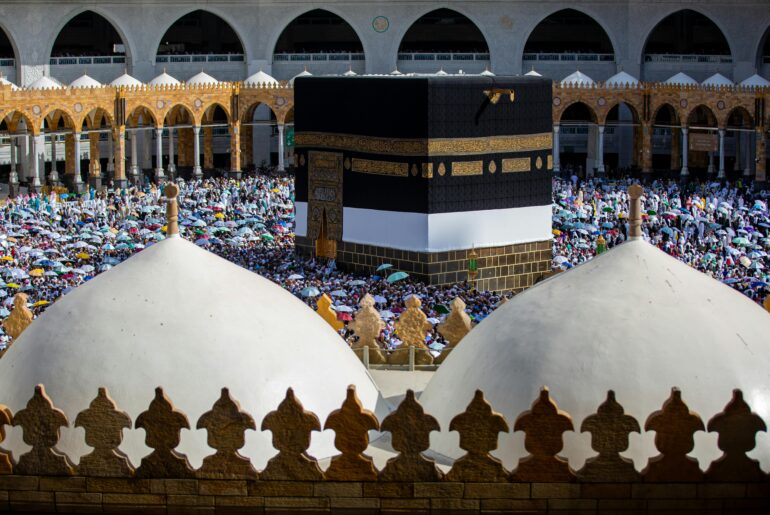
There is a story about a thief that I once read, narrated by Sayyiduna Abu Bakr Shibli. “Once I was travelling to Syria along with a group of other travellers when on the way we were plundered by a gang of thieves. They took all our possessions and put them in front of their gang leader. Amongst the goods were a bag of sugar and almonds, the thieves began to eat them but their leader did not join them. I asked him why the rest of his gang was eating but he was not, he replied, “I am fasting”. I asked surprisingly, “How is it that you steal from people and fast at the same time?” He replied, “A man should do something to keep the doors of reconciliation open as well”. Sometime later I saw the same gang leader in a state of “ihram” performing tawaaf [circulating around] of the blessed ka’ba. His face was resplendent with the light of worship and he had weakened himself through devotional practices. I asked surprisingly, “Are you the same man?” he answered, “Yes, I am, and let me tell you, that very same fast is what caused my reconciliation with Allah”. (Raud-ur Riyaheen, P163, Maktaba-tul-Maymaniyyah Egypt)

This story serves as a powerful reminder that one’s past actions do not define the possibilities for redemption and transformation. It illustrates the potential for change and reminds us that no matter how ‘bad’ we might think we are, there is always the chance for growth and spiritual awakening. No one knows when a person will be granted tawfiq—the divine assistance to overcome their sins. Someone may have only worshipped during Ramadan for the past ten years, but perhaps this will be the year they finally conquer their nafs (inner self). Therefore, it is essential for us to extend grace, make dua (supplication), and guide others along the straight path without judgment. We never know what may happen. This perspective also applies to the struggles we face against our own nafs. Do not despair at Allah’s mercy; keep striving and be intentional about nurturing a good relationship with Him. No matter how distant you may feel from Allah, always keep the door open. There is always a chance for each of us.

Additionally, we must remember what Allah says about sinners;
The Prophet (ﷺ) said, “Allah, the Exalted, and Glorious said: ‘A slave committed a sin and he said: O Allah, forgive my sin,’ and Allah said: ‘My slave committed a sin and then he realized that he has a Rubb Who forgives the sins and punishes for the sin.’ He then again committed a sin and said: ‘My Rubb, forgive my sin,’ and Allah (SWT) said: ‘My slave committed a sin and then realized that he has a Rubb Who forgives his sin and punishes for the sin.’ He again committed a sin and said: ‘My Rubb, forgive my sin,’ and
Allah (SWT) said: ‘My slave has committed a sin and then realized that he has a Rubb Who forgives the sin or takes (him) to account for sin. I have granted forgiveness to my slave. Let him do whatever he likes”. The last sentence “let him do..”. means, as long he keeps asking for forgiveness after the commission of sins, and repents, Allah will forgive him because repentance eliminates previous sins”. (Editor’s Note) (Riyad as-Salihin 421)

As we enter this blessed month, let us approach it with intention and purpose. This is a time for deep reflection and repentance, where we turn to Allah with sincere hearts, asking for His divine guidance and support in our lives. It is essential that we confront and conquer our nafs, the inner voice that often leads us astray. And most importantly, when you see the ‘Ramadhan Worshippers’, before you start judging, before you feel the urge to mock, remember; the door of Allah is always open.

May this month serve as a powerful opportunity for redemption and transformation, helping us grow closer to our Creator and to our true selves. Ameen.

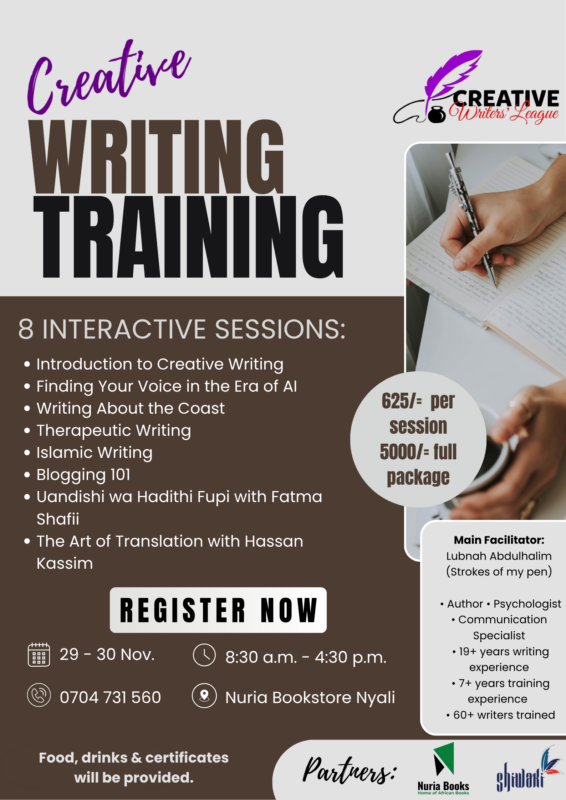
Please note: The Ramadhan Exclusive content will start on the 4th of March in shaa Allah. For 1000/= only, you can register for it through the following link: https://lubnah.me.ke/register/ramadhan/ Check out the poster below for more information.

I’m so excited for Ramadan; can you feel it? Ramadan Mubarak, good people! May this month be a breath of fresh air, a warm balm on our wounds, a comfy embrace, a chance for genuine change and the miracle we so desperately need. Ameen.

Have you ever witnessed abuse taking place and you feel the urge to shout at the victim, “WHY DON’T YOU JUST LEAVE?!” because for you, it is as simple as just that? You feel, if only they knew their worth, if they were strong enough, if they weren’t too naive, they’d have left already. Right?

Well, it isn’t as simple as that. There’s a lot of complexity and psychologically distressing processes involved. Sometimes, a trauma bond is formed.

When we talk of trauma bond what do we actually mean? And how does it relate to abuse?

First of all, let’s get the myths out of the way. Trauma bonding does NOT mean bonding/ feeling connected to someone cause they understand your trauma or they’ve undergone similar traumatic experiences. You’ll find the word trauma bonding being misused in a lot social media platforms to mean the above. For example, you’d find friends describing their relationship as a trauma bond because they formed a close relationship over similar traumatic experiences they experienced (whether individually or together). However, trauma bonding actually means an intense emotional attachment between the abuser and the victim characterised with repeated cycle of abuse, devaluation and positive reinforcement.

Ivy Kwong LMFT, a therapist who specializes in healing trauma explains, “A trauma bond develops in relationships where there is a power imbalance and a cycle of reward and punishment. The abuser is in a position of power over the person being abused and alternates between hurting and soothing them.”

Trauma bonds are thought to be the result of unhealthy attachments. As humans, we are hard-wired to form attachments to people that we see as defenders, protectors, or caregivers to survive. As such it is believed that trauma bonds often form from our brains looking for survival methods. This is also known as the paradoxical attachment.

Additionally, it is worth noting that not everyone who experiences abuse forms a trauma bond. However, more people may be more prone to such toxic cycles due to their early experiences, which makes them stick around, some to the point of death.

During the phases of abuse, the abuser may apply tactics such as threats of harm, manipulation, control, shaming, gaslighting and sabotage. These are then mixed with intermittent phases of displays of affection, love and kindness, which create a confusing and addictive emotional rollercoaster.

There are many situations in which trauma bonding may take place. We mostly see this toxic cycle in movies and books on domestic violence where a woman or even a man could be physically and severely injured, then the following day, the abuser is on their knees with a huge bouquet of flowers or an extravagant gift, crying and begging saying they don’t know why this happens and promising to change and the woman somehow trusts them and gives them another chance (could even be 157478 chance yet they still give it). Then they go back to the same behaviour two days later. Familiar right? That’s an example of a trauma bond. But domestic violence is not the only scenario that trauma bonding takes place. Other scenarios include:
Incest, sexual abuse, cults, elder abuse, kidnapping (Stockholm syndrome), human trafficking and child abuse.

Trauma bonds can also happen in a dysfunctional family system, workplace, and even in religious groups, but we most commonly associate trauma bonds with toxic romantic relationships.

Signs of a trauma bond:

These include:

  1. An immediate, intense emotional connection that feels overwhelming, often mistaken for love. Unlike love, this connection forms rapidly, while love typically develops over time.
  2. A sense that the relationship is damaging, yet the thought of leaving seems impossible.
  3. Constantly justifying, downplaying, or making excuses for the treatment received, or even keeping the abuse a secret to protect the abuser.
  4. A feeling that this person is the only one who can offer love or understanding, creating a sense of being stuck despite the pain.
  5. Being told that better treatment or love would be received if only there were changes, yet the expectations continue to shift every time a change is made.
  6. A constant effort to gain approval or affection, regardless of the mistreatment, driven by a deep need for acceptance.
  7. Emotional dependency, with a strong reliance on the other person for emotional stability.
  8. Believing that affection from the abuser offers healing, when in reality, manipulation is what keeps one trapped.
  9. A relationship motivated by the fear of abandonment, leading to anxiety and insecurity.
  10. Frequent preoccupation with the abuser and the relationship, leaving little mental space for anything else.
  11. Intense highs—moments of affection and love—interspersed with devastating lows marked by pain and manipulation.
  12. The abuser isolates the victim from family and friends, deepening dependence on the relationship.
  13. Fear of retaliation when attempting to leave.
  14. A tendency to fixate on the “good days,” using them as proof that the abuser cares.
  15. The goalposts continually shift, making it feel like the target of acceptable behavior is never quite within reach, regardless of the efforts made.
  16. Perceiving anyone who encourages you to leave as an enemy.
  17. The unpredictability keeps the victim hooked, believing the love is worth the pain. They view their love as a lifeline while it is actually the anchor that drags them down.

Stages of a trauma bond:
Though each trauma bond is unique, they often involve a version of the common patterns listed below.

Here’s a breakdown of each stage:

  1. Love Bombing: The abuser showers the victim with excessive affection, attention, and praise, making them feel special and loved. This creates an emotional high and makes the victim feel like they’ve found the perfect relationship.
  2. Gaining Trust: The abuser works on gaining the victim’s trust by appearing caring, reliable, and supportive. The victim becomes more dependent on the abuser, believing that they have someone who truly understands them.
  3. Criticism: Slowly, the abuser begins to criticize the victim, pointing out their flaws or making them feel unworthy. The victim starts to feel insecure, unsure of themselves, and may try to please the abuser to avoid more criticism.
  4. Manipulation: The abuser manipulates the victim’s emotions, often playing on their guilt, shame, or fears. The victim may start doubting their own perception of reality, making them more likely to tolerate further mistreatment.
  5. Resignation: The victim begins to feel powerless and hopeless, believing they can’t escape the cycle of abuse. They may accept the mistreatment, feeling like they don’t deserve better or that things will never improve.
  6. Distress: The victim experiences emotional pain, confusion, and distress from the ongoing abuse, but they often struggle to break free from the bond. This distress can lead to feelings of isolation, anxiety, and emotional exhaustion.
  7. Repetition: The cycle repeats itself, with moments of kindness or promises of change from the abuser, which leads the victim to hope things will get better. This cycle of abuse, remorse, and false hope makes it difficult for the victim to leave the relationship.

These stages form a damaging loop that keeps the victim emotionally attached to the abuser, making it very difficult to break free from the toxic relationship.

“The person being abused may feel conflicting feelings like shame, love, self-blame, terror, relief, anxiety, gratitude, and fear towards the perpetrator. They often feel responsible for the feelings of the person who is hurting them and may try to continually please or appease the abuser,” says Kwong. This makes it even more difficult to break the bond.

How can one heal from a trauma bond?

  1. Acknowledge the truth and validate the pain you’re experiencing
    Recognize the pain caused by the trauma bond and accept that the feelings of confusion and hurt are valid. This is the first step toward healing.
  2. Be willing to let go
    Let go of false hope and attachment to the abuser. Accept that the relationship is unhealthy and freeing yourself is essential for healing.
  3. Seek help & support from a therapist/trusted family and friends/support groups
    Reach out to a therapist or trusted individuals who can offer guidance and understanding. Support groups can help you feel less isolated in your healing journey.
  4. Focus on self-love and healing
    Rebuild your self-worth through self-care and daily positive affirmations. Prioritize your emotional health and rediscover joy outside the trauma.
  5. Set boundaries to protect yourself
    Establish clear boundaries to protect your emotional well-being, including cutting off contact with the abuser if necessary. In other circumstances, you may need to set a safe exit plan if you fear for your safety when you cut them off.
  6. Take time to grieve what you lost
    Allow yourself to mourn the loss of the relationship, including the future and hopes you once had, and give yourself space to process the grief.
  7. Embrace the lessons and growth you’ve achieved through the experience
    Recognize the strength and wisdom gained from the experience. View the journey as an opportunity for personal growth and greater self-awareness.
  8. Practice mindfulness and foster self-esteem
    Focus on activities that promote emotional well-being, such as mindfulness, prayers, or journaling. These practices help stay present, reduce stress, and nurture self-esteem.
  9. Cultivate a mindset of self-compassion and avoid self-blame
    Embrace the understanding that being in a trauma bond is not your fault. Practice shifting from self-criticism to self-kindness. Remind yourself that healing takes time, and the process of recovery is about learning, not punishing oneself. Consistently practicing self-compassion can build emotional resilience and reinforce a positive relationship with oneself.

If you happen to know a trauma bond victim, don’t be quick to judge their inability to step out of the cycle. Remember to extend grace and most importantly, be their support system, help them set up a safe exit plan and be part of their journey of rediscovering themselves post the relationship. Victims often carry a lot of shame with them and how supportive the individuals around them are (or not) will greatly impact their healing journey.

Resources:

  1. verywellmind.com
  2. healthline.com
  3. attachmentproject.com
  4. psychologytoday.com
  5. apn.com
  6. @igototherapy via IG
  7. @quantafreedomhealing via IG
  8. @ellelouisemcbride via IG
  9. Chatgpt

My dear readers,

Writing has transformed into a rare luxury for me, a cherished activity often sidelined by the relentless demands of daily life. It’s something I can only engage in after tackling a mountain of chores, navigating the complexities of finances and taxes, and finding a way to retreat into solitude for days, searching for that elusive moment of inspiration. I can almost hear my own voice echoing, “I used to write, you know… but then life happened…”

There was a time when I was convinced that if I fueled my inner fire with enough passion and determination, I could carve out precious moments for the things I love. Spoiler alert: Wrong! It seems that adulthood should come with a warning label, as writing is certainly not the only thing I’m falling behind on. The responsibilities and complexities of growing up seem to pile up, making it challenging to keep pace with everything I once managed so easily. The only silver lining of this madness is that I know I am not alone.

Things have been changing drastically and without warning. As they say, ‘hii syllabus inaenda mbio’. For example, since when did I start taking evening tea? Who am I?! Or why is it taking me 3 to 5 business days to watch one true-crime documentary or just a feel-good movie, something I used to do in one night? Or why are kids expecting eidiya (eid gift tokens) from me? Or why am I now listening to full speeches during school events? Mind you, school events of my nieces and nephews who have ME as their NEXT OF KIN. Crazy, right? Ain’t I ‘children’?

Remember my obsession with kids, how I thought my sole purpose on Earth was to nurture tiny humans? Flash forward to now, and I’m much more of a “Why are they so energetic?” kind of gal. Don’t get it twisted; I still dream of being a mother someday, in shaa Allah, but can I survive the chaos? So many questions swirling around in my brain.

My outings with friends have become increasingly rare, and what once resembled a social life has faded away. When we do manage to escape our daily routines, our conversations now revolve around recipes, the challenging economy, and complaints about conflicts with the “senior citizens” at work. We often express our disbelief at the high expectations placed on school children today and lament the outrageous prices of curtains. Oh, how times have changed! We no longer dream about the latest Converse sneakers or trendy backpacks; instead, our wish list includes air fryers, vacuums, and dumbbells.

We’ve shifted from reading Khaled Hosseini’s beautifully written novels to exploring books on narcissism, trauma, and healing (if we ever get the time to do that anyway 😉 ). Whereas we used to ignore politics, we now find ourselves tweeting and retweeting about how the system and government have failed us. It’s astonishing how practical and logical we’ve become!
Weekends? Oh, they now consist of barricading myself inside the house like a hermit from dusk till dawn, only to emerge for Monday’s inevitable grind. And here I thought I was an introvert! There’s a whole new level, my friends, where you avoid talking to anyone, loud noises are such a pet peeve and you realise that proving your good intentions during arguments isn’t worth the energy anymore.

Some days, I catch myself sending out Friday forwards, and suddenly it dawns on me: Am I this close to sending the obligatory “Good Morning” gifs and duas filled with flowers and birds chirping? All this because starting a conversation feels like trying to jump-start a dead car battery. Sleep has become my sole desire, a comforting escape from daily chaos. The only times we go out are for sad funerals or happy weddings, which are the rare moments we step away from our routines to connect with others.

Remember when I used to be fun? Sharing memes on my WhatsApp status like my life depended on it? Well now we have the ugly reality of wars and oppression and violence right on our faces which makes me question: was it always like this or were we just totally oblivious? My God! Did they actually mean it when they (the older generation) kept saying, ‘Kupumzika ni kaburini?!’

However, if there’s anything, adulting really humbles you. You truly get to appreciate life for what it is. The back and knee pains remind you of the blessing of health. The little moments you get to spend with friends make you value them more. You learn the importance of choosing your battles because you realize how precious your time and energy is. You start appreciating homemade food more because you understand it’s not just food; it’s love in a Tupperware container plus, money is saved! (our parents were right aye?!  ) Most importantly we get to extend a little (a lot) more grace to our parents. We understand them better now. We understand how much they endured to make us what we are today. We understand how much they sacrificed. How much they TRIED. We understand that they don’t have much time anymore and every single day, every single moment with them is a gift and a blessing.

For most of us millennials, this journey through adulthood is like a wild roller coaster with no safety bar. We’ve hopped between worlds—playing outside until dusk and then watching kids who have never known a life without screens. We’ve seen the highs and the lows, and yet, here we stand. With a bit of a prayer for serene days, wiser decisions, and an abundance of consciousness, let’s raise a metaphorical toast to the new adults navigating this exhilarating circus we call life! Cheers!

Powered by WordPress